Weed Identifier
Identify lawn and garden weeds from a photo, free and fast
Identification form
Upload weed photos
Clear, well-lit images help the AI identify it more accurately.
How to Identify a Weed From a Photo
- 1
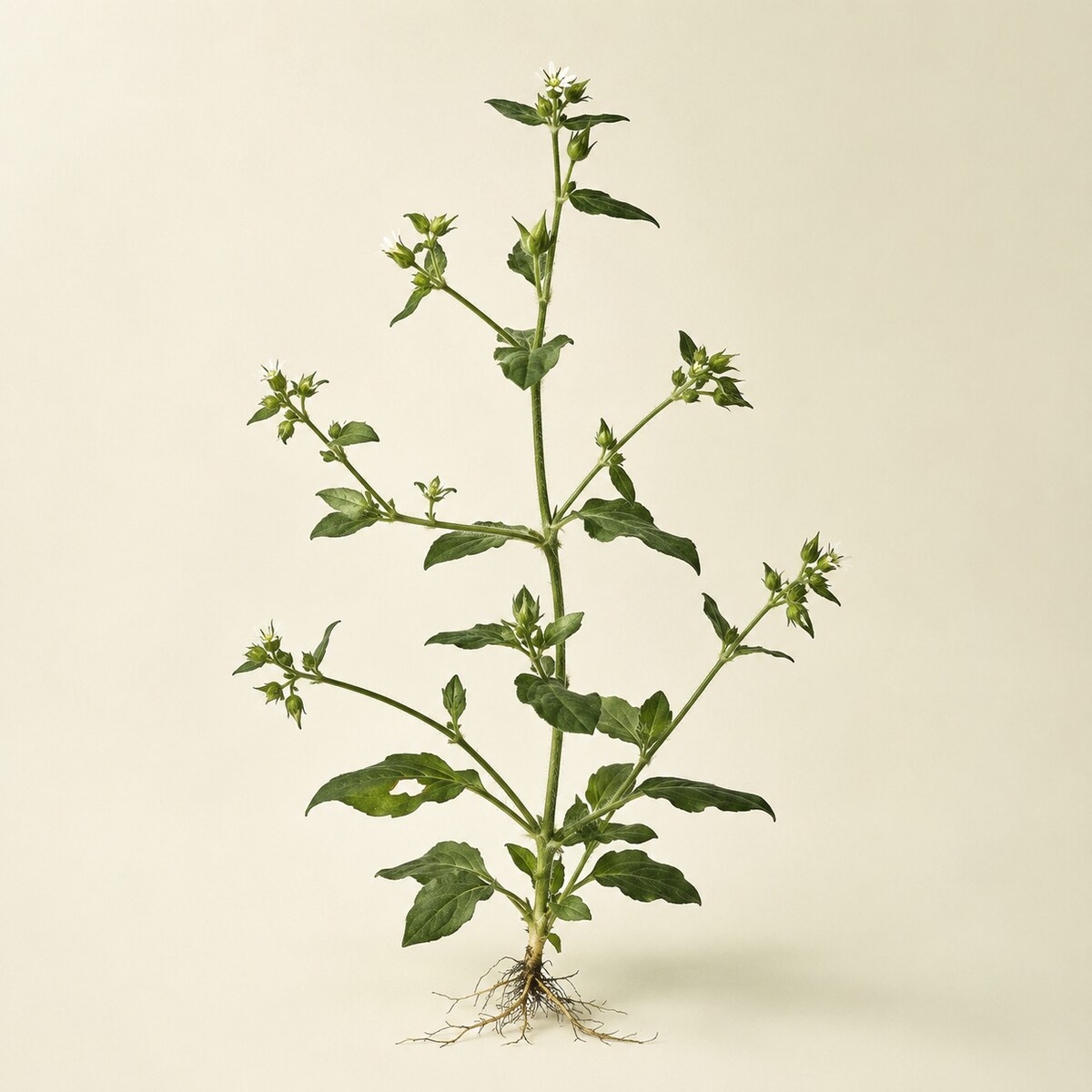
Photograph the Whole Weed
Take a photo of the entire weed from directly above and from the side, showing whether it grows as a low rosette, a creeping mat, or an upright stem. Growth habit is a key clue for weed identification.
- 2
Close In on a Leaf
Add a sharp close-up of a leaf so its shape, edge, veins, and whether it is broad or grass-like are clear. Note how leaves are arranged along the stem.
- 3
Include Flowers or Seed Heads
Capture any flowers, buds, or seed heads. A dandelion's puffball, a plantain's spike, or a grassy weed's seed head are often the fastest way to name the weed.
- 4
Say Where and How It Is Growing
Note whether it is in a lawn, flower bed, vegetable patch, or pavement crack, and whether it is spreading by runners, roots, or seed. Location and spread pattern help distinguish similar weeds and matter for control.
- 5
Identify the Weed
Select "Identify weed" and the tool compares your photos and notes with common lawn and garden weeds, then returns the most likely match with the clues that support it.
Ready to identify it?
Upload one or more clear photos to get started.
Identify Lawn and Garden Weeds From a Photo
A weed identifier names the unwanted plants in your lawn, beds, and borders from a single photo. Knowing exactly which weed you are dealing with is the first real step to controlling it, because a dandelion, a patch of crabgrass, and a creeping perennial each call for a different approach.
This page is built for homeowners and gardeners staring at a green invader they cannot name. Upload a photo of the plant, its leaves, and any flowers or seed heads, and the tool reads the features that separate weeds from one another: leaf shape, growth habit, flower form, and how the plant spreads.
Because weed identification depends on how a plant grows as much as how it looks up close, the best results come from a shot of the whole weed from above, a leaf close-up, and any flower or seed head, along with a note about whether it is in turf, a bed, or a crack in the pavement.
Broadleaf Weeds vs. Grassy Weeds
The single most useful split in weed identification is broadleaf versus grassy, because it changes how you recognize and control the plant. Broadleaf weeds have wide leaves with a branching network of veins and usually produce obvious flowers. Dandelion, clover, plantain, chickweed, and ground ivy are familiar examples.
Grassy weeds look like grass that does not belong. They have narrow blades with parallel veins and inconspicuous seed heads. Crabgrass and annual bluegrass fall here. A third group, the sedges such as nutsedge, look grassy but have triangular stems and a distinct growth pattern. Rushes and young garden bulbs can also appear grasslike, so include the stem and leaf bases.
When you photograph a weed, make the leaf shape and vein pattern clear enough to place it in one of these groups. That single distinction often narrows dozens of possibilities down to a short, sensible list, and it determines which control methods will actually work.
Common Lawn Weeds You Can Identify
Most lawn weed searches involve a familiar cast. Dandelion forms a rosette of toothed leaves and a bright yellow flower that becomes a seed puffball. White clover shows three rounded leaflets and round white flower heads. Broadleaf plantain has oval leaves in a flat rosette with a narrow seed spike. Creeping charlie (ground ivy) spreads by runners with scalloped, aromatic leaves and small purple flowers. Chickweed forms low mats with tiny white star flowers.
Grassy invaders like crabgrass spread in flat, star-shaped clumps in summer, while nutsedge stands taller and brighter green than the surrounding turf. Several species can occupy one lawn, so photograph each distinct leaf form as a separate Specimen rather than combining the patch into one identification.
Each of these has a recognizable habit, and photographing the plant from directly above usually reveals it. Add a flower or seed head when present, since that detail frequently confirms which lawn weed you are looking at and how aggressively it will spread.
How to Photograph Weeds for a Better ID
Good weed photos capture both the plant and how it grows. Take one shot from directly above to reveal a rosette, a creeping mat, or a clumping habit, and one from the side to show height and upright stems. Then move in close to a leaf so its shape, edge, and veins are sharp, and include any flowers, buds, or seed heads.
Use natural light, avoid deep shadow, and keep a plain patch of soil or turf in the frame for scale. If the weed is spreading, a wider photo showing the patch helps convey whether it runs by above-ground stems, underground roots, or seed. Trace visible runners in the frame, but do not dig or break the plant solely for a photo.
Mention the setting in your notes: lawn, vegetable bed, gravel, or pavement. A plant that thrives in mown turf is often a different species from one in a rich flower bed, so the growing conditions are a genuine clue, not just background.
Identify First, Then Control Safely
A weed identifier gives you the name; safe and effective control follows from it. Annual weeds that spread by seed, such as chickweed and crabgrass, are best stopped before they set seed. Perennial weeds that regrow from roots or runners, such as ground ivy and bindweed, need persistence and often root removal rather than a quick pull.
Some weeds carry real hazards. Poison ivy, poison oak, poison sumac, and giant hogweed can cause serious skin reactions, and a few common weeds are toxic to children or pets. Treat any suspicious plant with caution, keep your distance, and do not handle it based on a photo alone.
Confirm the suggested name before acting. Compare mature leaves, stem arrangement, flowers, fruit, and growth habit with a regional reference, and check whether the species is annual, biennial, or perennial. A seedling-level match may be too broad to support control, especially when a desirable garden plant or native species has similar early leaves. Waiting for a safe diagnostic feature can prevent unnecessary removal.
Keep management separate from identification. Local rules may restrict disposal or movement of regulated plants, and some species resprout when cut or spread when seed heads are carried. Herbicides, flame, digging, and mowing each have site-specific risks. Follow current local extension or land-management guidance, protect nearby desirable plants and waterways, and read every product label rather than applying a generic method from the name alone.
Document the patch before and after any approved action. Photos of its boundaries, density, and seasonal stage help show whether the identification was consistent and whether control is working. If new growth differs from the original plant, submit it as a new Specimen instead of assuming the same weed returned.
Use the identification as a foundation, then follow local authority or extension guidance and product labels. The right method depends on knowing the weed, understanding how it spreads, and recognizing the setting, which is exactly what clear photos and a careful match begin to establish.
Put what you’ve learned to use
Upload your photos and compare the suggested match with the features you observed.
Frequently Asked Questions
How do I identify a weed?
Identify a weed by its leaf shape, growth habit, flowers, and seed heads, plus where it is growing. Photograph the whole plant from above and the side, a close-up of a leaf, and any flowers or seed heads, then the weed identifier compares those clues to name the most likely weed.
Can I identify a lawn weed from a photo?
Yes. Lawn weeds such as dandelion, clover, plantain, chickweed, and creeping charlie are common searches. Photograph the weed from directly above to show its rosette or creeping habit, add a leaf close-up and any flower, and note that it is growing in turf so the tool can weigh lawn weeds first.
What is the difference between broadleaf and grassy weeds?
Broadleaf weeds have wide leaves with branching veins and often showy flowers, such as dandelion, clover, and plantain. Grassy weeds have narrow blades with parallel veins and look like unwanted grass, such as crabgrass and nutsedge. Telling the two apart matters because they are controlled differently, so show the leaf shape clearly.
Can it identify poison ivy or poison oak?
It can suggest whether a plant resembles poison ivy, poison oak, or poison sumac, but never rely on a photo alone for a plant that can cause a severe skin reaction. Do not touch a suspected plant, photograph it from a safe distance, and confirm with a qualified local expert before going near it.
Does the weed identifier tell me how to get rid of a weed?
Identifying the weed is the first step to controlling it, because broadleaf weeds, grassy weeds, and creeping perennials each respond to different methods. The result focuses on naming the weed and describing how it grows and spreads; use that as a starting point and follow local guidance and product labels for removal.
Can it identify weed seedlings before they flower?
Young weeds can often be narrowed from their early leaves, rosette shape, and how they spread, but many weed seedlings look alike before flowering. For the most reliable identification, wait for flowers or seed heads when you can, or add a close photo of the seedling's leaves and where it is growing.
What extra details improve the identification?
Add a photo of the whole specimen, close views of distinctive structures, a scale reference, and notes about location, season, and growing conditions. Keep leaves, flowers, fruit, or other evidence visibly attached to the same specimen so unrelated material is not combined. Use natural light, include more than one angle, and photograph both typical and unusual features. Independent clues from overall form, fine detail, size, and context make it easier to compare candidates and reject a visually similar match.
Why might the result name only a group or genus?
Some species need flowers, fruit, mature growth, microscopic traits, or provenance that the current photo set may not show. Young, cultivated, or damaged specimens can also lack the structures that separate close relatives. A broader group or genus result is more accurate than an exact species name unsupported by visible evidence. Save the photos, compare every listed trait, and add new seasonal features later if a species-level name matters. One conflicting structural feature is a reason to keep investigating.
Is the weed identifier free?
Yes. You can identify weeds for free with a generous daily allowance and no sign-up. It runs in your browser on a phone, tablet, or computer, so there is no app to download.
Does identifying a weed mean it is safe to touch or handle?
No. Some weeds cause skin irritation, are toxic if eaten, or are protected or invasive. A photo match is not a safety clearance. Wear gloves when handling unknown weeds, keep them away from children and pets, and consult a qualified local expert before touching a plant you suspect is harmful.
Ready to give it a try?
Upload your photos for an AI-assisted best match.