Leaf Identifier
Identify a plant or tree from a single leaf photo, free and instantly
Identification form
Upload leaf photos
Clear, well-lit images help the AI identify it more accurately.
How to Identify a Leaf From a Photo
- 1
Photograph One Full Leaf Flat
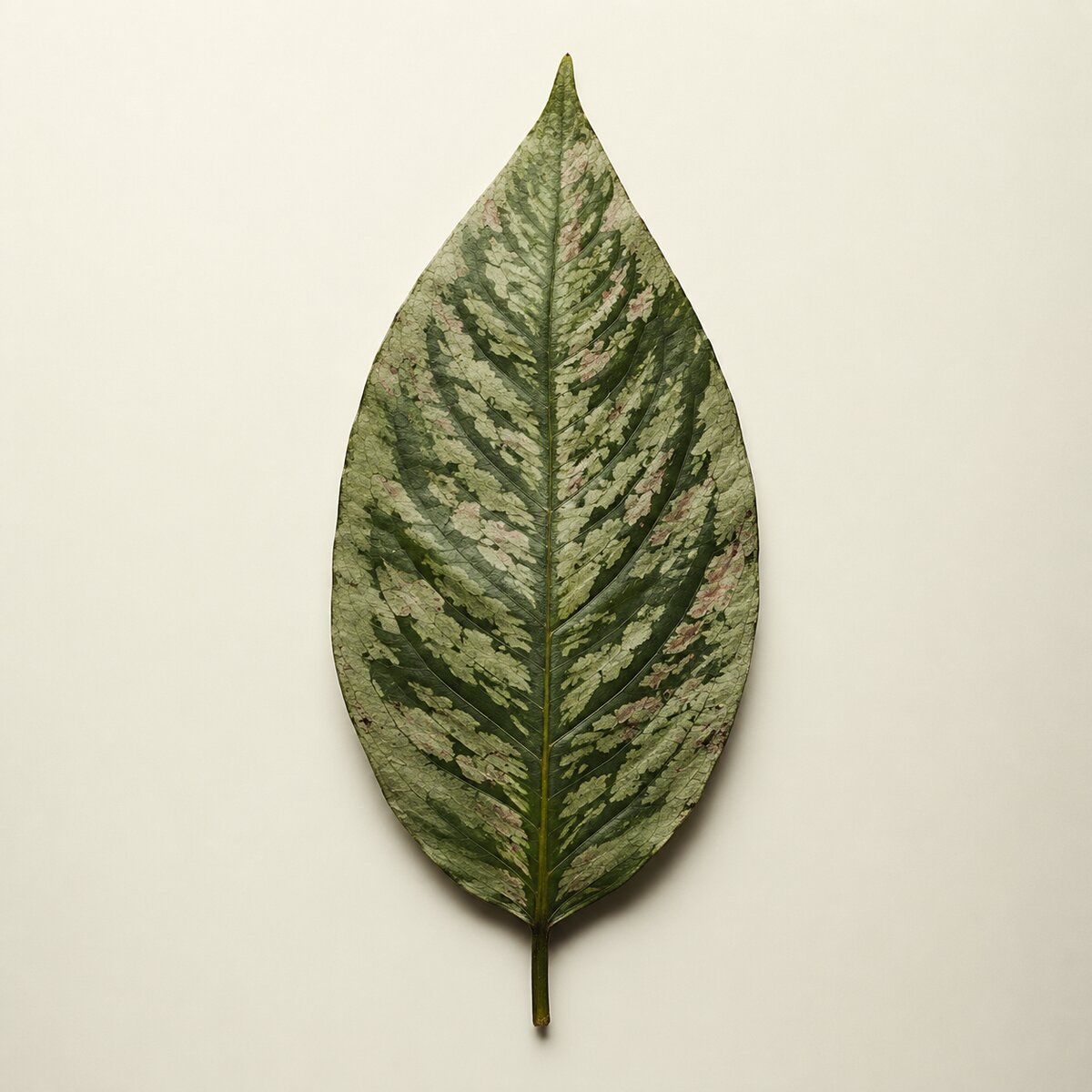
Lay a single mature leaf flat on a plain background and photograph it straight on so its whole outline, tip, and base are visible. A clean silhouette is the strongest starting point for leaf identification.
- 2
Show the Edge and the Veins
Move in close on the leaf margin and the vein pattern. Whether the edge is smooth, toothed, or lobed, and whether the veins branch from one midrib or spread from the base, are decisive clues.
- 3
Photograph the Underside and Attachment
Turn the leaf over for a shot of the underside, and show how the leaf attaches to the twig or stem. This reveals whether the leaf is simple or compound and how leaves are arranged.
- 4
Add Size and Where It Came From
Note the leaf's approximate length, its texture, and whether it came from a tree, shrub, or low plant, along with the location. Context separates leaves that share an outline.
- 5
Identify the Leaf
Select "Identify leaf" and the tool reads the shape, margin, veins, and arrangement together with your notes, then returns the most likely plant or tree with the clues behind the match.
Ready to identify it?
Upload one or more clear photos to get started.
Identify a Plant or Tree From a Leaf
A leaf identifier names the plant or tree a leaf came from using only a photo of the leaf itself. Leaves are one of the richest identification clues in nature because their shape, edges, veins, and arrangement are remarkably consistent within a species and remarkably varied between species.
This page helps you name a leaf picked up on a walk, pressed in a notebook, or fallen onto the patio, whether it belongs to a towering tree or a low garden plant. You do not need the flower, the fruit, or the whole plant, though those add confidence when available.
Because leaf identification depends on fine detail, the best results come from one full leaf photographed flat, plus close-ups of the margin and the veins. From those, the tool can read the features that distinguish an oak from a maple, a simple leaf from a compound one, and a broadleaf plant from a needle-bearing conifer.
The Features That Name a Leaf
Four features do most of the work in leaf identification. The first is shape: is the leaf oval, heart-shaped, narrow and strap-like, lobed, or divided into leaflets? The second is the margin, or edge, which may be smooth, finely toothed, coarsely serrated, or deeply lobed.
The third is venation, the pattern of veins. Pinnate venation has a single central midrib with side veins branching off; palmate venation has several main veins radiating from the base like fingers; parallel venation runs the length of the leaf and points toward grasses and their relatives. Side lighting can make shallow veins easier to photograph without obscuring the outline.
The fourth is arrangement, how leaves sit on the stem. Opposite leaves grow in pairs, alternate leaves stagger along the stem, and whorled leaves circle a single point. Together with whether the leaf is simple or compound, these four features narrow the field dramatically before color, size, or texture are even considered.
Tree Leaves vs. Plant Leaves
A common question is whether a leaf came from a tree or a smaller plant, and the leaf identifier weighs both. Tree leaves are frequently searched by their classic shapes: the lobed oak leaf, the palmate maple leaf, the heart-shaped linden leaf, or the compound leaflets of ash and walnut. Needle-bearing conifers such as pine, spruce, and fir have their own narrow, distinctive foliage.
Plant leaves from garden perennials, houseplants, vegetables, and weeds cover an even wider range, from the strap leaves of grasses to the broad leaves of hostas and the finely divided leaves of ferns and carrots.
Telling the source helps because a leaf shape that is unusual for a tree may be common among low plants, and vice versa. If you know where the leaf came from, add it to your notes; if you do not, photograph any attached twig or stem, since woody twigs point to trees and soft green stems point to herbaceous plants.
How to Photograph a Leaf for a Clear Match
The ideal leaf photo is almost like a specimen scan. Lay a single, undamaged, mature leaf flat on a plain, contrasting background, and shoot straight down so the whole outline, the tip, and the base are all in frame and in focus. Even, natural light avoids the shadows that hide the margin and veins.
Add a close-up of the leaf edge and a close-up of the vein pattern, then turn the leaf over for the underside, where hairs and vein detail are often clearer. If the leaf is part of a compound leaf, include the full leaf with all its leaflets and the point where it joins the twig. Photograph an attached leaf as well, since the bud and its position on the stem reveal where one complete leaf begins.
Do not rely on color alone. Sun exposure, nutrition, drought, disease, and season can turn leaves pale, red, purple, spotted, or brown while their structural identity remains unchanged. Select healthy mature foliage when possible and include an affected leaf only as additional context. If all leaves show damage, capture several examples so missing tissue is not mistaken for a natural lobe or tooth.
Texture deserves its own close view. Fine hairs, waxy bloom, glands, scales, and tiny dots may be visible only on the underside or along the petiole. Angle the light across the surface to reveal relief, but avoid filters and flash glare that flatten or recolor it. A side view can show whether the blade is thick, succulent, folded, wavy, or flat.
A leaf attached to the plant provides far more than a detached specimen. Show several nodes to establish opposite, alternate, or whorled arrangement, and include the twig, stem, or sheath at the base. Record whether the plant is woody, climbing, aquatic, grasslike, or a low rosette. These clues prevent a similar outline from sending the match toward the wrong plant group.
Needles and scale leaves require a slightly different photo set. Show whether needles occur singly or in bundles, count them without pulling the bundle apart, and photograph how they attach to the twig. For flattened evergreen sprays, capture both surfaces and any cones. What looks like one narrow leaf may otherwise be a leaflet, needle bundle, or small branch.
Include something for scale, since a two-centimeter leaf and a twenty-centimeter leaf of the same shape belong to very different plants. Clean, flat, well-lit photos, attached-plant context, and a comparison against several typical leaves give the leaf identifier the crisp outline and detail it needs for a confident result.
Put what you’ve learned to use
Upload your photos and compare the suggested match with the features you observed.
Frequently Asked Questions
Can I identify a plant or tree from just a leaf?
Often yes. A single leaf carries a lot of information: its overall shape, the edge, the vein pattern, and whether it is simple or made of several leaflets. Photograph one full leaf flat, plus a close-up of the edge and veins, and the leaf identifier will suggest the most likely plant or tree.
What leaf features matter most for identification?
The most useful features are the leaf's shape and outline, the margin (smooth, toothed, or lobed), the venation (one central midrib with branching veins, veins radiating from the base, or parallel veins), whether the leaf is simple or compound, and how leaves are arranged on the stem: opposite, alternate, or whorled.
How do I identify an oak or maple leaf?
Oak leaves are typically lobed, either with rounded lobes or bristle-tipped points, and are arranged alternately. Maple leaves are usually palmate with several pointed lobes and are arranged opposite each other on the twig. Photograph the full leaf and note the arrangement so the leaf identifier can tell these classic shapes apart.
What is the difference between a simple and compound leaf?
A simple leaf is a single blade attached to the stem, while a compound leaf is divided into several leaflets that share one stalk. It matters because a group of leaflets can be mistaken for several separate leaves. Show where the leaf attaches to the woody twig, since a bud sits at the base of a whole leaf but not at each leaflet.
Can I identify a leaf without a flower or fruit?
Yes, the leaf identifier is built for exactly that. A flower or fruit adds confidence, but leaf shape, margin, venation, and arrangement are enough to narrow most plants and trees. For species that have very similar leaves, adding bark, a bud, or the location helps confirm the match.
Should I photograph both sides of the leaf?
Yes when you can. The upper surface shows color and gloss, while the underside often reveals vein structure, hairs, or a different color that separates lookalike leaves. A shot of each side gives the leaf identifier more to work with.
What extra details improve the identification?
Add a photo of the whole specimen, close views of distinctive structures, a scale reference, and notes about location, season, and growing conditions. Keep leaves, flowers, fruit, or other evidence visibly attached to the same specimen so unrelated material is not combined. Use natural light, include more than one angle, and photograph both typical and unusual features. Independent clues from overall form, fine detail, size, and context make it easier to compare candidates and reject a visually similar match.
Why might the result name only a group or genus?
Some species need flowers, fruit, mature growth, microscopic traits, or provenance that the current photo set may not show. Young, cultivated, or damaged specimens can also lack the structures that separate close relatives. A broader group or genus result is more accurate than an exact species name unsupported by visible evidence. Save the photos, compare every listed trait, and add new seasonal features later if a species-level name matters. One conflicting structural feature is a reason to keep investigating.
Is the leaf identifier free?
Yes. You can identify leaves for free with a generous daily allowance and no sign-up. It works in your browser on a phone, tablet, or computer, so there is no app to download.
Does identifying a leaf confirm the plant is safe to touch or eat?
No. A leaf match is not an edibility, medicinal, or handling clearance. Some leaves are toxic or irritating, and dangerous lookalikes exist. Never eat or handle a plant based only on a leaf identification, and ask a qualified local expert before any use.
Ready to give it a try?
Upload your photos for an AI-assisted best match.