Grass Identifier
Identify grass types from a photo of the blade and seed head
Identification form
Upload grass photos
Clear, well-lit images help the AI identify it more accurately.
How to Identify Grass From a Photo
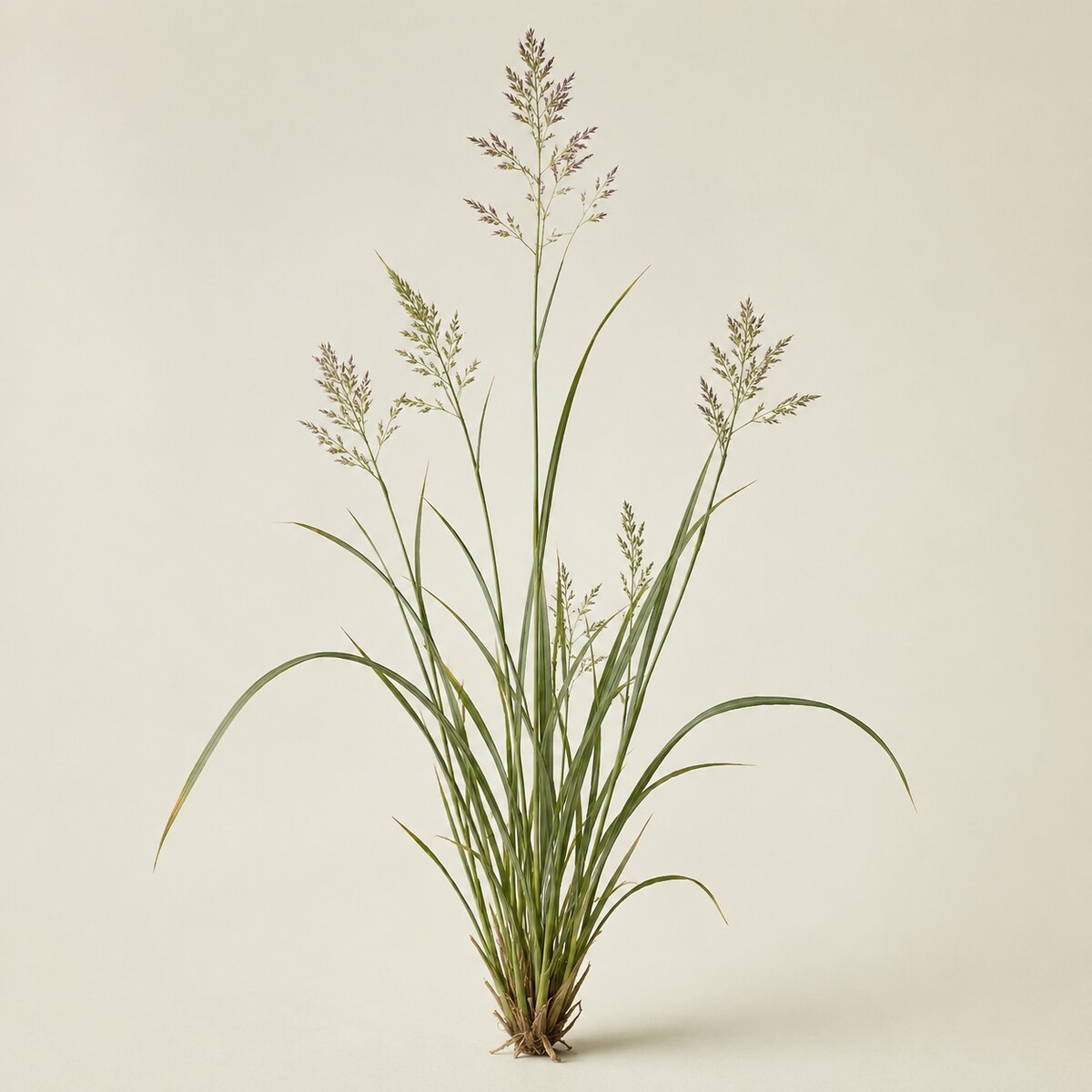
- 1
Photograph a Blade Up Close
Take a sharp close-up of a single blade, showing its width, color, and tip. Note whether the blade is fine or coarse and whether it feels flat, folded, or rolled, since blade detail is a core clue for grass identification.
- 2
Capture the Seed Head
If the grass has flowered, photograph the seed head. Whether it forms a dense spike, an open feathery panicle, or fingers spreading from one point is often the fastest way to name a grass.
- 3
Show How It Grows
Step back for a photo of the whole clump or patch. Whether the grass grows in tight bunches or spreads by runners across the ground helps separate lawn grasses, ornamental grasses, and grassy weeds.
- 4
Note the Setting and Height
Add whether it is in a mown lawn, a garden bed, a meadow, or a pavement crack, along with its height and the climate. Warm-season and cool-season grasses differ by region and season.
- 5
Identify the Grass
Select "Identify grass" and the tool compares blade, seed head, and growth habit with known grasses, then returns the most likely match with the clues that support it.
Ready to identify it?
Upload one or more clear photos to get started.
Identify Grass From a Photo
A grass identifier names a grass from a photo of its blade, its clump, and its seed head. Grasses can look interchangeable at a glance, yet lawn grasses, ornamental grasses, and grassy weeds differ in ways that matter for care, mowing, and control once you know what to look at.
This page helps homeowners naming the grass in their lawn, gardeners identifying an ornamental grass, and anyone trying to tell a wanted grass from a weedy invader. Upload a close-up of a blade and a wider shot of how the grass grows, and the tool reads the features that separate one grass from another.
Because grass identification rests on small details, the best results come from a sharp blade close-up, a photo of the whole clump or patch, and the seed head when the grass has flowered. Add your climate and where the grass is growing, since region and season strongly influence which grasses are likely.
Blade, Growth Habit, and Seed Head
Three features drive grass identification. The blade carries clues in its width, color, tip shape, and texture, and in whether it is flat, folded lengthwise, or rolled. Fine, soft blades and coarse, wide blades point to different grasses even in a mown lawn. The collar where blade and sheath meet may carry a membranous or hairy ligule and clasping auricles, so include a close-up of that junction.
The growth habit describes how the plant spreads. Bunch grasses grow in tight, expanding clumps, while spreading grasses send out above-ground stolons or below-ground rhizomes to form a continuous mat. This single distinction separates many lawn grasses and explains how quickly a grass fills in or invades.
The seed head, or inflorescence, is the most diagnostic feature when present. A dense cylindrical spike, an open airy panicle, and finger-like spikes radiating from one point each belong to different grass groups. Photographing the seed head often turns a broad guess into a confident name.
Lawn Grasses and Grassy Weeds
Most grass searches are about lawns. Cool-season lawn grasses such as tall fescue, perennial ryegrass, and Kentucky bluegrass thrive in cooler climates and stay green in spring and fall. Warm-season lawn grasses such as Bermuda grass, zoysia, and St. Augustine dominate hot regions and go dormant in winter. Each has a recognizable blade texture and spreading pattern. Photograph the boundary between two textures or colors, since a mixed lawn may contain several grasses rather than one variable species.
Against these, grassy weeds stand out once you know the signs. Crabgrass sprawls in flat summer clumps, annual bluegrass forms pale seed heads in cool weather, and nutsedge, though not a true grass, shoots up faster and brighter than the surrounding turf.
Identifying which grass you have is the first step to caring for it or controlling it, because feeding, mowing height, and weed treatment all depend on knowing whether the grass is a desirable turf type or an invader.
Grass, Sedge, or Rush?
Not every grassy plant is a true grass, and the grass identifier weighs the difference. A classic rule captures it: sedges have edges, rushes are round, and grasses have nodes. True grasses have round, hollow stems with swollen joints, or nodes, and leaves in two ranks. Sedges have solid stems that are triangular in cross-section, which you can feel by rolling the stem between your fingers. Rushes have round stems filled with soft pith and are common in wet ground.
This matters because sedges like nutsedge and rushes in damp areas are often mistaken for grass and treated the wrong way. A photo of the stem, ideally showing a cut cross-section, quickly settles which group a plant belongs to.
Several other grasslike plants complicate a quick visual match. Woodrushes carry flat, often hairy leaves despite belonging with rushes, while young irises, daylilies, and bulbs can make fans of strap-shaped leaves. Aquatic and coastal plants may hide their stem bases in water or dense litter. Show how leaves join the stem and whether true nodes are present instead of judging from a narrow green blade alone.
For a safe field check, avoid cutting any plant you suspect may irritate skin, and never reach into roadside or wetland vegetation where sharp leaves, insects, or unstable ground create hazards. A clear exterior view is usually enough. Photograph the stem from several angles, use a ruler beside it when practical, and describe whether it feels round or angular rather than damaging a protected population.
Once the plant is confirmed as a grass, examine the seed head closely. Note whether tiny flowering units attach directly to a main axis, sit on branches, or gather into several finger-like spikes. Capture both the entire inflorescence and a close view without stripping it apart. The shape changes as flowers open and seeds mature, so record the date and include a younger head when available.
Habitat then helps rank the remaining possibilities. A dense lawn, shaded woodland, grazed pasture, salty shore, dry roadside, and seasonally flooded ditch support different grass communities. Management matters too: irrigation, mowing, grazing, and recent seeding may explain why a grass occurs outside its usual setting. Context refines a match, but structural traits should still agree.
When you are unsure, capture the stem shape along with the blade and any seed head. Placing the plant in the right family first, then checking the collar, growth habit, flower structure, and habitat, makes the rest of the identification far more reliable. Keep the date with every photo set.
Put what you’ve learned to use
Upload your photos and compare the suggested match with the features you observed.
Frequently Asked Questions
How do I identify a type of grass?
Identify grass from its blade, its growth habit, and its seed head. Photograph a single blade up close, the whole clump or patch, and any seed head, then the grass identifier reads blade width, whether the grass clumps or spreads, and the shape of the seed head to suggest the most likely grass.
Can I identify my lawn grass from a photo?
Yes. Common lawn grasses such as fescue, ryegrass, Kentucky bluegrass, Bermuda grass, zoysia, and St. Augustine have distinctive blade textures and growth habits. Photograph a blade close-up and a patch of turf, and note your climate, since warm-season and cool-season lawn grasses suit different regions.
Can it identify grassy weeds?
Yes. Grassy weeds like crabgrass, annual bluegrass, and quackgrass often invade lawns and beds. Show the blade, the growth habit, and any seed head, and note that it is growing where it is not wanted, so the grass identifier can weigh weedy grasses and lookalikes such as sedges.
How do I tell grass apart from sedges and rushes?
Grasses have round, hollow stems with blades in two ranks and jointed nodes. Sedges have solid, triangular stems, and rushes have round, pith-filled stems. A quick way to remember it: sedges have edges, rushes are round, and grasses have nodes. Photograph the stem cross-section if you can to help place the plant correctly.
Can it identify ornamental grasses?
Yes. Ornamental grasses grown for gardens, such as fountain grass, miscanthus, and feather reed grass, are often identifiable from their plume, blade color, and clump form. Include the whole plant, its height, and the flower plume, since these are the features that set ornamental grasses apart.
Do I need the seed head to identify grass?
It helps a great deal but is not always required. Blade texture, growth habit, and color can narrow the grass, and details like whether the blade is folded or rolled in the bud add more. When the grass has flowered, the seed head often confirms the exact species, so include it when present.
What extra details improve the identification?
Add a photo of the whole specimen, close views of distinctive structures, a scale reference, and notes about location, season, and growing conditions. Keep leaves, flowers, fruit, or other evidence visibly attached to the same specimen so unrelated material is not combined. Use natural light, include more than one angle, and photograph both typical and unusual features. Independent clues from overall form, fine detail, size, and context make it easier to compare candidates and reject a visually similar match.
Why might the result name only a group or genus?
Some species need flowers, fruit, mature growth, microscopic traits, or provenance that the current photo set may not show. Young, cultivated, or damaged specimens can also lack the structures that separate close relatives. A broader group or genus result is more accurate than an exact species name unsupported by visible evidence. Save the photos, compare every listed trait, and add new seasonal features later if a species-level name matters. One conflicting structural feature is a reason to keep investigating.
Can a stressed, young, or damaged specimen be identified?
Often. Include healthy, typical growth whenever possible and explain what changed. Photograph damaged and unaffected parts together, record approximate size, and note recent weather, light, water, pruning, repotting, mowing, or other disturbance. Identification should rely on stable shape and arrangement rather than temporary color, missing tissue, stretched growth, or decay. If the decisive structures have not developed, preserve the current photos and add another set later instead of forcing a precise name from incomplete evidence.
Is the grass identifier free?
Yes. You can identify grass for free with a generous daily allowance and no sign-up. It runs in your browser on a phone, tablet, or computer, so there is no app to download.
Ready to give it a try?
Upload your photos for an AI-assisted best match.