Flower Identifier
Identify any flower from a photo of its bloom, free and instantly
Identification form
Upload flower photos
Clear, well-lit images help the AI identify it more accurately.
How to Identify a Flower From a Photo
- 1
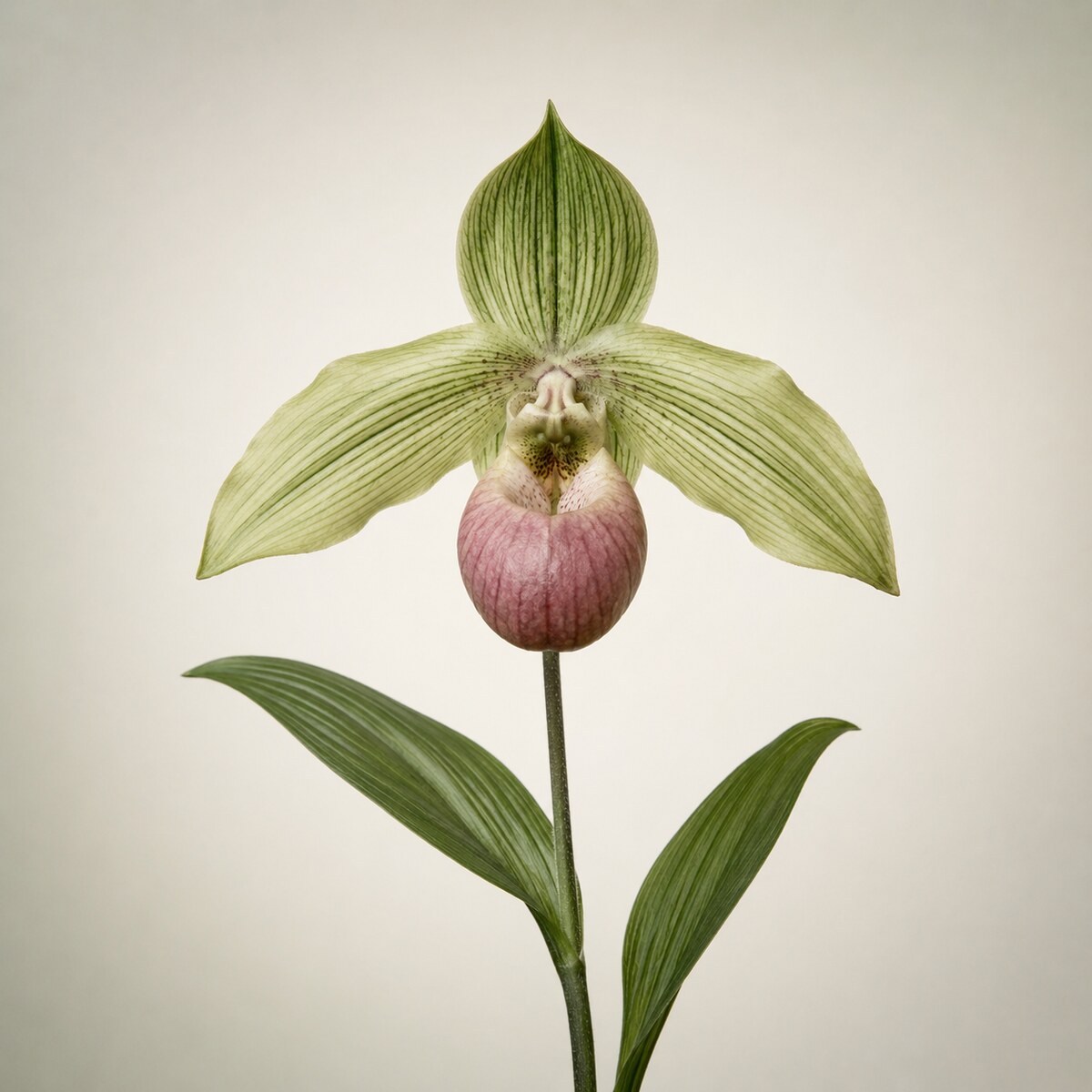
Photograph the Bloom Head-On
Take a sharp, front-on photo of a single open flower in natural light. This shows petal count, symmetry, and the center of the bloom, which are the most useful clues for flower identification.
- 2
Add a Side View and the Whole Plant
Include a side view of the flower and a shot of the whole plant. The way petals join the stem, the shape of the flower cluster, and the leaves below all help separate flowers that look alike from the front.
- 3
Show the Leaves and Stem
Photograph a leaf from above and the stem where leaves attach. Two plants can share the same flower color while having completely different leaves, so leaf shape often decides the match.
- 4
Note Scent, Size, and Where It Grows
Add the bloom's approximate size, any scent, and whether you found it in a garden bed, meadow, roadside, or windowsill. Location and season rule out flowers that are visually plausible but do not bloom there or then.
- 5
Identify the Flower
Select "Identify flower" and the tool compares your photos and notes with known blooms, then returns the most likely flower with the petal, color, and leaf clues behind the match.
Ready to identify it?
Upload one or more clear photos to get started.
Identify Any Flower From a Photo
A flower identifier turns a single photo of a bloom into a likely name in seconds. Instead of scrolling through flower charts or guessing from color alone, you upload a clear picture and the tool reads the features that actually separate one flower from another: petal shape and count, bloom symmetry, the structures at the flower's center, how blooms are clustered, and the leaves below.
This page is made for everyday flower questions. It helps gardeners naming a new perennial, hikers spotting wildflowers on a trail, and anyone curious about a bouquet, a windowsill bloom, or a flower growing over the fence. You do not need any botanical training to start, just a focused photo taken in good light.
Because flower identification depends on visible detail, the strongest results come from a front-on view of one open bloom, a side view, and a shot of the whole plant with its leaves. Color is a clue, but petal arrangement and leaf shape are what turn a broad guess into a specific flower.
What the Flower Identifier Looks At
The best clues for identifying a flower come from its structure, not just its color. The flower identifier looks at how many petals a bloom has and whether they are separate or fused, whether the flower is radially symmetrical like a daisy or bilaterally symmetrical like an orchid or snapdragon, and what sits at the center, such as a ring of stamens or a distinct eye.
It also reads how flowers are arranged on the plant. A single flower on a stalk, a flat cluster, a tall spike, or a rounded head each point toward different flower groups. Sepals, buds, and the way the bloom attaches to the stem add more evidence.
Leaves matter just as much. Leaf shape, edge, and whether leaves sit opposite, alternate, or in a rosette often decide between flowers that look identical from the front. Feeding all of these together, along with your location and the flowering season, gives a far more reliable identification than a color match ever could.
How to Photograph Flowers for an Accurate ID
Better flower photos lead to better identification. Start with a front-on shot of a single, fully open bloom so petal count, symmetry, and the center are clear. Then take a side view to show the flower's depth and how it joins the stem, and a wider shot of the whole plant so its height, leaves, and growth habit are visible.
Use soft, natural light and avoid harsh midday glare, deep shadows, and color filters, all of which can hide or distort petal color and texture. If the bloom is small, place a coin or fingertip nearby for scale. For a flower cluster, capture both the full cluster and one individual bloom within it.
With wildflowers, photograph the plant in place rather than picking it, especially where flowers may be protected. In-place photos preserve the habitat, growth pattern, and neighboring plants, all of which help the flower identifier tell close species apart.
Wildflowers, Garden Flowers, and Blooming Houseplants
The same flower identifier handles wild and cultivated blooms, but each has its own quirks. Wildflowers often have several near-identical relatives in the same region, so location, habitat, and flowering season are essential for separating them. Photograph the plant where it grows and note whether it is in a meadow, woodland, wetland, or roadside.
Garden flowers are frequently cultivars bred for showier blooms, which can make the flower alone ambiguous. A rose, dahlia, or tulip may be identifiable to type but not to a specific named variety from a photo. Adding a plant label, the leaves, and the overall growth habit helps. Double flowers can hide their stamens and other central structures, making foliage and buds especially valuable.
Blooming houseplants such as orchids, African violets, and peace lilies are best captured with the whole plant, the bloom, and the foliage together. In every case, the more of the plant you show, the closer the flower identification will land.
Common Flowers People Identify
People reach for a flower identifier to name all kinds of blooms. Common searches include roses, tulips, daisies, sunflowers, lilies, orchids, dahlias, irises, peonies, and hydrangeas, along with countless wildflowers that have no obvious name at first glance.
Each of these has telltale features. A daisy shows a ring of ray petals around a central disk; a lily has six tepals and prominent stamens; an orchid is strongly bilateral with a distinctive lip; an iris shows upright standards and drooping falls. Learning to notice these patterns makes every future identification easier.
Look beyond the showiest petals when candidates seem similar. Count the individual flowers in a head, inspect whether petals are fused into a bell or tube, and notice where the stamens and stigma sit. Photograph the sepals behind the bloom, the bracts below a flower head, and the way each flower stalk branches. These quieter structures often remain consistent when breeding has changed color, size, or petal count.
A name can also be tested against the rest of the plant. Compare leaf arrangement, mature height, stem texture, flowering month, and whether the plant grows as an annual, bulb, vine, shrub, or perennial clump. If the suggested species should have opposite leaves but the photographed plant clearly has alternate leaves, keep investigating. One conflicting structural trait matters more than a loose resemblance in color.
Photographs taken over time can resolve uncertainty without damaging the plant. Save a view of the bud, return when the flower opens, and later capture any fruit or seed head. This short sequence connects life stages that reference guides may show separately and is particularly useful for wildflowers that change dramatically after flowering.
Whatever the bloom, treat the result as a strong starting point rather than a final verdict. Flower identification from photos is powerful, but blooms fade, colors shift, and lookalikes exist, so compare the suggested match against the petal, center, leaf, habitat, and seasonal clues the tool highlights before you settle on a name.
Put what you’ve learned to use
Upload your photos and compare the suggested match with the features you observed.
Frequently Asked Questions
Can I identify a flower from a picture?
Yes. Upload a clear photo of the bloom and the flower identifier reads petal shape, petal count, symmetry, color, the flower's center, and any visible leaves to suggest the most likely flower. Adding a side view and a whole-plant shot makes the identification stronger.
What is the best way to photograph a flower for identification?
Take a front-on photo of one fully open bloom in soft natural light, then a side view and a photo of the whole plant with its leaves. Keep the flower sharply focused, avoid filters that shift color, and include something for scale if the bloom size is hard to judge.
Can it identify wildflowers?
Yes. The flower identifier works on wildflowers found in meadows, woodlands, roadsides, and trails. Because many wildflowers have close regional lookalikes, add the location, habitat, and flowering season, and photograph the plant where it grows instead of picking protected species.
Can it identify garden flowers and cultivars?
It can usually name the flower type or species group, such as a rose, tulip, dahlia, or lily. Named cultivars can be nearly identical in the flower alone, so include any plant label, the leaves, and the growth habit to narrow the result further.
Does flower color alone identify a flower?
No. Color is a helpful hint but many unrelated flowers share the same color, and color changes with light, age, and variety. Reliable flower identification combines petal arrangement, bloom symmetry, the flower's center structures, leaf shape, and where the plant is growing.
Can I identify a flower without seeing the leaves?
Often yes, but leaves add important evidence. A bloom close-up alone can match several flowers, while the leaf shape, edge, and arrangement frequently separate them. Add a leaf photo whenever you can for a more confident match.
What extra details improve the identification?
Add a photo of the whole specimen, close views of distinctive structures, a scale reference, and notes about location, season, and growing conditions. Keep leaves, flowers, fruit, or other evidence visibly attached to the same specimen so unrelated material is not combined. Use natural light, include more than one angle, and photograph both typical and unusual features. Independent clues from overall form, fine detail, size, and context make it easier to compare candidates and reject a visually similar match.
Why might the result name only a group or genus?
Some species need flowers, fruit, mature growth, microscopic traits, or provenance that the current photo set may not show. Young, cultivated, or damaged specimens can also lack the structures that separate close relatives. A broader group or genus result is more accurate than an exact species name unsupported by visible evidence. Save the photos, compare every listed trait, and add new seasonal features later if a species-level name matters. One conflicting structural feature is a reason to keep investigating.
Is the flower identifier free?
Yes. You can identify flowers for free with a generous daily allowance and no sign-up. It works in your browser on a phone, tablet, or computer, so there is no app to download.
Does identifying a flower mean it is safe to touch or eat?
No. A photo match is not a safety, edibility, or allergy clearance. Some flowers and their leaves, sap, or pollen can irritate skin or be toxic, and dangerous lookalikes exist. Never eat or handle an unknown flower based only on an AI result, and ask a qualified local expert before any use.
Ready to give it a try?
Upload your photos for an AI-assisted best match.