Succulent Identifier
Identify your succulent from a photo and learn how to care for it
Identification form
Upload succulent photos
Clear, well-lit images help the AI identify it more accurately.
How to Identify a Succulent From a Photo
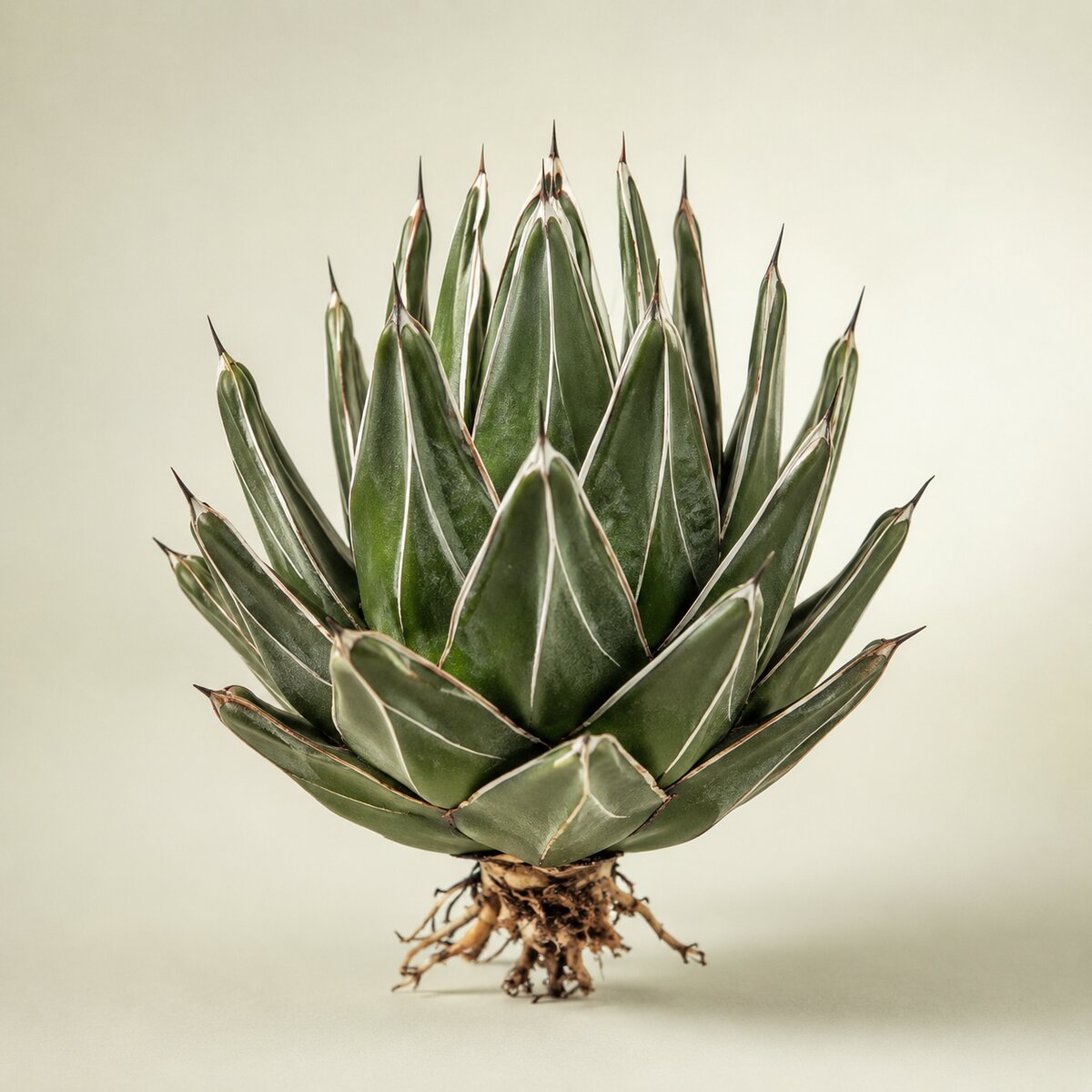
- 1
Photograph the Whole Plant From Above
Take a photo looking straight down on the succulent so its rosette shape and leaf arrangement are clear, then one from the side to show whether it is low and clustered or tall and upright.
- 2
Close In on a Leaf
Add a close-up of a single leaf showing its thickness, shape, tip, and surface. Note whether the leaf is smooth and glossy, powdery with a chalky bloom, fuzzy, or edged with tiny teeth or spines.
- 3
Show Color and Any Offsets
Capture the true colors, including any red or pink leaf edges, and any small offsets or pups around the base. Color and clustering habit help separate closely related succulents.
- 4
Note Indoor or Outdoor and Light
Say whether the succulent grows indoors or outdoors, how much light it gets, and its rough size. Stress color and stretched growth from low light can change appearance, so context helps.
- 5
Identify the Succulent
Select "Identify succulent" and the tool compares leaf shape, rosette form, and color with known succulents, then returns the most likely match with the clues that support it.
Ready to identify it?
Upload one or more clear photos to get started.
Identify Your Succulent From a Photo
A succulent identifier names the succulent on your windowsill or in your garden from a single photo. Succulents are hugely popular and endlessly varied, and many of the most common ones, from echeveria to jade to aloe, look similar enough to confuse. Knowing the exact plant is the key to giving it the right light and water.
This page is made for houseplant owners, collectors, and gift recipients who want to name a succulent and care for it properly. Upload a photo from above and one from the side, add a close-up of a leaf, and the tool reads the leaf shape, rosette form, color, and texture that distinguish one succulent from another.
Because succulents change with their conditions, the strongest identification comes from clear, naturally lit photos plus a note about whether the plant grows indoors or outdoors and how much light it receives. Those details help the identifier see past stress coloring to the plant underneath.
Leaf Shape, Rosette, and Texture
Succulents are identified mainly from their leaves and how those leaves are arranged. Leaf shape ranges from plump and rounded to flat and spoon-like, pointed and spiky, or cylindrical and bead-like. The arrangement may form a tight rosette, a trailing string, a stacked column, or leaves along a woody stem.
Texture adds another layer of clues. Some succulents have a chalky powder called farina that gives a matte, dusty look; others are glossy, fuzzy, translucent, or edged with fine teeth. The color of the leaf, including any red, pink, or purple margins, helps too, though color shifts with light and stress. Side lighting can reveal windows, bumps, hairs, and coatings that disappear under direct flash.
When you photograph a succulent, make the individual leaf and the overall rosette both visible. A straight-down view captures the rosette geometry, while a side view and a single-leaf close-up reveal thickness and surface, together giving the identifier what it needs.
Popular Succulents People Identify
A handful of succulents account for most searches, and learning their signatures speeds up every identification. Echeveria forms tidy rosettes of spoon-shaped leaves, often with a powdery bloom and blushing edges. Sempervivum, or hens and chicks, makes flatter rosettes that pup freely. Sedum ranges from trailing strings to upright stonecrops with small, plump leaves.
Jade plant (Crassula ovata) grows glossy oval leaves on thick woody stems, while aloe forms rosettes of thick, tapering, often toothed leaves. Haworthia stays small, with dark rosettes, raised white bands, or translucent leaf windows. Aeoniums form rosettes on branching stems, while kalanchoes often carry opposite leaves with scalloped margins.
Many of these have near-twins in other genera, which is exactly why a careful photo matters. Capturing the leaf surface, the rosette, stem, offsets, roots when already visible, and any flowers lets the succulent identifier distinguish, for example, a true echeveria from a similar graptopetalum or a hybrid.
Succulent Care Starts With the Name
Identifying a succulent is the first step toward keeping it healthy, because care needs vary more than the plants' looks suggest. Most succulents want bright light and infrequent, thorough watering with fast-draining soil, but the specifics differ. Soft-leaved echeverias sunburn less gracefully than tough aloes, some haworthias prefer gentler light, and winter-growing species rest in summer rather than winter.
Stretched, pale growth usually means too little light, while shriveled leaves point to underwatering and soft, translucent leaves to overwatering. Knowing the species helps you read these signs correctly and adjust.
Separate identification traits from symptoms before comparing photos. Etiolated growth has wider spacing and thinner leaves than the compact older rosette below it. Sun stress may intensify red margins, mineral deposits can leave white spots, and physical damage can remove the powdery farina permanently. Photograph the healthy lower growth and the changed top together, then note when the change began and what happened to light, water, temperature, or potting.
Offsets and stems reveal the plant's natural architecture. Show whether new rosettes emerge on runners, cluster tightly at the base, or branch from a woody stem. Include scars from fallen leaves and the way leaves attach rather than detaching one for the camera. A mature side view can separate a stemless rosette from a trailing or shrubby succulent that was sold as a small cutting.
Flowering material can settle difficult matches. Photograph the stalk from its base to its tip, the cluster shape, and a single open flower, then record the season. Some genera share leaf forms but carry very different bells, tubes, stars, or daisy-like flowers. Keep nursery labels in the photo set even when the label seems doubtful, because it provides provenance that can be checked against visible traits.
Containers and arrangements create false combinations. Decorative pots often hold several species, fallen leaves can root beside the parent, and grafted plants join two different succulents. Trace each stem back to its own base and upload separate photo sets when leaves clearly belong to different plants. Avoid treating moss, artificial flowers, glued decorations, or a colored rootstock as parts of one natural specimen.
A likely name should be tested against mature references rather than one idealized sales image. Compare leaf cross-section, surface, margins, arrangement, mature stem, offset pattern, and flower structure. Cultivar color varies with conditions, and hybrids may never fit a species description exactly, so a genus or hybrid-group identification may be the most accurate endpoint.
Treat the identification as a starting point for care rather than a fixed prescription. Match the light and watering to your plant's actual condition, pot, season, and environment. Introduce changes gradually, keep unknown sap away from skin and pets, and consult a qualified local grower, nursery, veterinarian, or poison service when a plant's health or safety is in question.
Put what you’ve learned to use
Upload your photos and compare the suggested match with the features you observed.
Frequently Asked Questions
How do I identify my succulent?
Identify a succulent from its leaf shape, its rosette or upright form, its color, and its surface texture. Photograph the plant from above and the side, add a close-up of one leaf, and note whether it grows indoors or outdoors. The succulent identifier reads these features to suggest the most likely species.
Can it identify echeveria, sedum, and other rosette succulents?
Yes. Rosette succulents such as echeveria, sempervivum (hens and chicks), and graptopetalum are common searches. Photograph the rosette straight from above so the leaf spacing and shape are clear, and include any powdery bloom or colored edges, which help tell these lookalike genera apart.
Can it identify aloe, jade, and haworthia?
Yes. Aloe has thick, often toothed leaves in a rosette; jade plant (Crassula) has glossy, oval leaves on woody stems; and haworthia forms small rosettes, sometimes with translucent leaf windows. Show the leaf shape and how leaves attach to the stem so the identifier can separate these popular houseplants.
How can I tell a succulent from a cactus?
All cacti are succulents, but not all succulents are cacti. Cacti have specialized spine cushions called areoles from which spines grow, while most other succulents do not. If your plant has clusters of spines rising from small round cushions, use the cactus identifier; otherwise the succulent identifier is the right tool.
Why does my succulent look different from photos online?
Succulents change color and shape with light, water, and temperature. Strong sun can bring out reds and pinks, while low light causes pale, stretched growth called etiolation. Photograph the plant in good natural light and note its conditions, so the identifier can account for stress coloring and growth changes.
Will identifying my succulent help me care for it?
Yes. Knowing the species points you to the right light, watering, and dormancy needs, since a soft-leaved echeveria and a tough haworthia want different care. Use the identification as a starting point and adjust to your plant's condition, pot, and local climate.
What extra details improve the identification?
Add a photo of the whole specimen, close views of distinctive structures, a scale reference, and notes about location, season, and growing conditions. Keep leaves, flowers, fruit, or other evidence visibly attached to the same specimen so unrelated material is not combined. Use natural light, include more than one angle, and photograph both typical and unusual features. Independent clues from overall form, fine detail, size, and context make it easier to compare candidates and reject a visually similar match.
Why might the result name only a group or genus?
Some species need flowers, fruit, mature growth, microscopic traits, or provenance that the current photo set may not show. Young, cultivated, or damaged specimens can also lack the structures that separate close relatives. A broader group or genus result is more accurate than an exact species name unsupported by visible evidence. Save the photos, compare every listed trait, and add new seasonal features later if a species-level name matters. One conflicting structural feature is a reason to keep investigating.
Can a stressed, young, or damaged specimen be identified?
Often. Include healthy, typical growth whenever possible and explain what changed. Photograph damaged and unaffected parts together, record approximate size, and note recent weather, light, water, pruning, repotting, mowing, or other disturbance. Identification should rely on stable shape and arrangement rather than temporary color, missing tissue, stretched growth, or decay. If the decisive structures have not developed, preserve the current photos and add another set later instead of forcing a precise name from incomplete evidence.
Is the succulent identifier free?
Yes. You can identify succulents for free with a generous daily allowance and no sign-up. It works in your browser on a phone, tablet, or computer, so there is no app to download.
Ready to give it a try?
Upload your photos for an AI-assisted best match.