Shrub Identifier
Identify a shrub or bush from a photo of its leaves and form
Identification form
Upload shrub photos
Clear, well-lit images help the AI identify it more accurately.
How to Identify a Shrub From a Photo
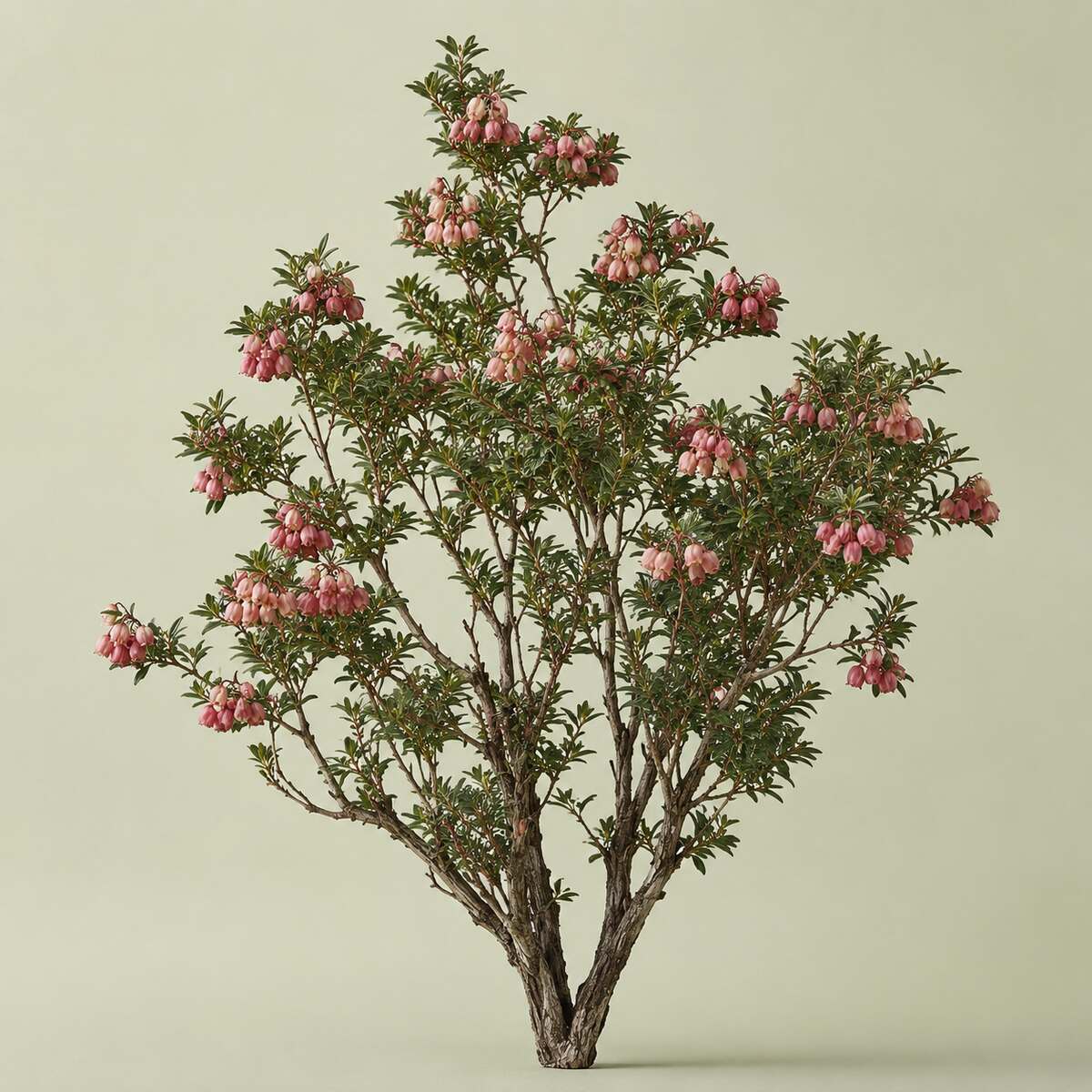
- 1
Photograph the Whole Shrub
Take a photo of the entire shrub so its size, shape, and multi-stemmed bushy form are visible. Whether it is low and spreading, upright, or clipped as a hedge is a useful clue for shrub identification.
- 2
Show the Leaves Up Close
Add a close-up of a leaf from above and below, and show how leaves are arranged on the stem. Note whether the shrub is evergreen or deciduous, since that narrows the possibilities.
- 3
Include Flowers, Berries, or Thorns
Capture any flowers, buds, berries, or fruit, and note any thorns or spines. These seasonal and structural features are often the fastest way to name a flowering or berrying shrub.
- 4
Note Size, Season, and Setting
Record the shrub's rough height and width, the season, and whether it grows in a garden, hedge, or the wild, along with the location. Region and setting help distinguish similar shrubs.
- 5
Identify the Shrub
Select "Identify shrub" and the tool compares leaves, flowers, berries, and form with known shrubs, then returns the most likely match with the clues that support it.
Ready to identify it?
Upload one or more clear photos to get started.
Identify Shrubs and Bushes From a Photo
A shrub identifier names the shrubs and bushes in your garden, hedge, or local landscape from a single photo. Shrubs sit between low plants and trees, and their combination of woody stems, foliage, flowers, and berries gives plenty of clues once you know what to capture.
This page helps homeowners naming an inherited garden shrub, gardeners planning around an unknown bush, and walkers curious about a flowering or berrying shrub along the path. Upload a photo of the whole plant and a close-up of its leaves and flowers, and the tool reads the features that separate one shrub from another.
Because shrub identification draws on both form and detail, the best results come from a full-plant photo, a leaf close-up, and any flowers, berries, or thorns, along with a note on whether the shrub is evergreen or deciduous and how big it is. Season and setting round out the picture.
Shrub Form, Leaves, and Woodiness
The first thing a shrub identifier weighs is the plant's overall form. A shrub is a woody plant that typically produces several stems from near the ground and stays smaller than a tree, giving it a bushy outline whether it grows low and spreading, tall and upright, or clipped into a hedge.
Leaves then carry much of the detail. Their shape, edge, size, and arrangement, whether opposite, alternate, or whorled, all narrow the field, as does the surface: glossy, matte, hairy, or leathery. Whether the shrub is evergreen, holding its leaves all year, or deciduous, dropping them in autumn, is one of the strongest single distinctions.
Bark and stems add supporting evidence, especially in winter. Thorns, colored young stems, buds, lenticels, and peeling bark can each point to particular shrubs. Capturing young and old wood with the form and foliage lets the identifier place the shrub before flowers or berries even come into play.
Flowering and Berrying Shrubs
Many shrubs are grown and recognized for their flowers, and blooms are often the quickest route to a name. Hydrangea, rose, azalea, rhododendron, lilac, forsythia, and viburnum are among the most searched flowering shrubs, each with a distinctive flower color, shape, and season. Photographing the blooms with the leaves attached ties the two clues together.
In autumn and winter, berries and fruit take over as the leading clue. Holly's red berries, the clustered fruit of viburnums, and the hips of roses all help identify a shrub when flowers are long gone. Note the berry color, size, and clustering, and keep the foliage in frame.
Because a flower or berry can look similar across related shrubs, the identification is strongest when you combine the reproductive feature with the leaves and the plant's form. And since many ornamental shrub berries are toxic, treat a name as identification only, never as permission to eat the fruit.
Identifying Hedges and Garden Shrubs
Clipped hedges and foundation plantings are a common identification challenge because pruning hides a shrub's natural shape. Classic hedge and garden shrubs include boxwood, privet, holly, yew, and laurel, and these are usually told apart by their leaves: size, shape, arrangement, glossiness, and whether the edge is smooth or toothed or spiny.
With trimmed shrubs, a close-up of the foliage matters more than the overall outline, so photograph a healthy shoot showing several leaves and how they attach. Any berries, cones, or flowers that escaped the shears are valuable, since evergreen hedges can look alike from a distance.
Look inside the clipped surface for a shoot that shows normal spacing between leaves. Repeated shearing produces dense clusters of short growth and may make naturally large leaves stay small. Photograph both the outer foliage and a less-pruned interior branch, but avoid forcing your hands into a hedge that may contain thorns, irritant sap, nesting animals, or sharp litter.
Garden history can supply useful context. A row of identical shrubs, an old plant label, a matching specimen elsewhere on the property, or records from a landscape plan may narrow the possibilities. Note whether the shrub was planted as a formal hedge, ground cover, flowering accent, or windbreak. Do not let intended use override structural evidence, because several unrelated shrubs serve the same landscape role.
Check whether all visible shoots truly belong to one plant. Vines can thread through a hedge, seedlings can emerge at its base, and grafted shrubs can produce rootstock suckers. Trace flowers, fruit, and unusual leaves back along their stem before combining them in one photo set. A berry resting in the foliage or a vine leaf crossing a branch should not become evidence for the shrub's identity.
Seasonal photos are especially helpful for evergreen hedges and heavily pruned shrubs. Record new growth before the next trim, flowers when they appear, fruit later in the year, and buds or bark in winter. The same plant may be difficult from any single stage but distinctive when its sequence of features is considered together.
Measure an untrimmed shoot, an average leaf, and the hedge's approximate height. Scale helps separate dwarf cultivars from young plants and naturally small-leaved species from foliage reduced by stress. Include the region and whether the site is sunny, shaded, wet, dry, coastal, or exposed, since some popular hedge shrubs favor particular conditions. Record whether neighboring shrubs share the same traits or merely the same clipped outline. Preserve those observations with the photo set.
Note whether the shrub is evergreen and roughly how it is used, whether as a low border, a tall screen, or a specimen bush. That context, combined with clear photos of typical leaves, stems, and seasonal features, gives the shrub identifier what it needs to separate the common evergreens that make up so many hedges and gardens.
Put what you’ve learned to use
Upload your photos and compare the suggested match with the features you observed.
Frequently Asked Questions
How do I identify a shrub or bush?
Identify a shrub from its overall bushy form, its leaves, and any flowers or berries. Photograph the whole shrub, a leaf close-up, and any flowers, buds, or fruit, then the shrub identifier reads the leaf shape and arrangement, the flower or berry, and whether the plant is evergreen or deciduous to suggest the most likely match.
What is the difference between a shrub and a tree?
A shrub is typically a woody plant that stays smaller and produces several stems from near the base, while a tree is usually taller with a single main trunk. The line can blur, since some plants grow as either, so photograph the whole plant to show whether it branches into many stems low down like a shrub.
Can it identify flowering shrubs?
Yes. Flowering shrubs such as hydrangea, rose, azalea, rhododendron, lilac, and forsythia are common searches. The flower is often the strongest clue, so photograph the blooms along with the leaves, and note the flowering season to help the shrub identifier narrow the match.
Can it identify hedge and garden shrubs?
Yes. Clipped hedges and garden shrubs like boxwood, privet, holly, and yew are frequently identified from their leaf shape, arrangement, and whether they are evergreen. Include a close-up of the foliage and any berries, since trimmed shrubs may not show their natural shape.
Can it identify a shrub by its berries?
Yes, and berries are a strong seasonal clue. Photograph the berries with the leaves attached, and note the color, size, and how the berries are clustered. Many shrubs are best told apart in autumn by their fruit, though berries alone can be ambiguous, so include the foliage too.
Should I note whether the shrub is evergreen or deciduous?
Yes. Whether a shrub keeps its leaves through winter or drops them is a major identifying feature. Add this to your notes, and if you are identifying in winter, mention whether the bare shrub still holds any leaves, berries, or seed heads, which helps the identifier considerably.
What extra details improve the identification?
Add a photo of the whole specimen, close views of distinctive structures, a scale reference, and notes about location, season, and growing conditions. Keep leaves, flowers, fruit, or other evidence visibly attached to the same specimen so unrelated material is not combined. Use natural light, include more than one angle, and photograph both typical and unusual features. Independent clues from overall form, fine detail, size, and context make it easier to compare candidates and reject a visually similar match.
Why might the result name only a group or genus?
Some species need flowers, fruit, mature growth, microscopic traits, or provenance that the current photo set may not show. Young, cultivated, or damaged specimens can also lack the structures that separate close relatives. A broader group or genus result is more accurate than an exact species name unsupported by visible evidence. Save the photos, compare every listed trait, and add new seasonal features later if a species-level name matters. One conflicting structural feature is a reason to keep investigating.
Is the shrub identifier free?
Yes. You can identify shrubs for free with a generous daily allowance and no sign-up. It runs in your browser on a phone, tablet, or computer, so there is no app to download.
Does identifying a shrub confirm its berries or leaves are safe?
No. A photo match is not an edibility or handling clearance. Many ornamental shrubs have berries or leaves that are toxic to people or pets, and dangerous lookalikes exist. Never eat shrub berries based only on an AI result, keep them away from children and pets, and ask a qualified local expert before any use.
Ready to give it a try?
Upload your photos for an AI-assisted best match.