Seedling Identifier
Identify seedlings and sprouts, and tell crops from weeds
Identification form
Upload seedling photos
Clear, well-lit images help the AI identify it more accurately.
How to Identify a Seedling From a Photo
- 1
Photograph the Whole Seedling
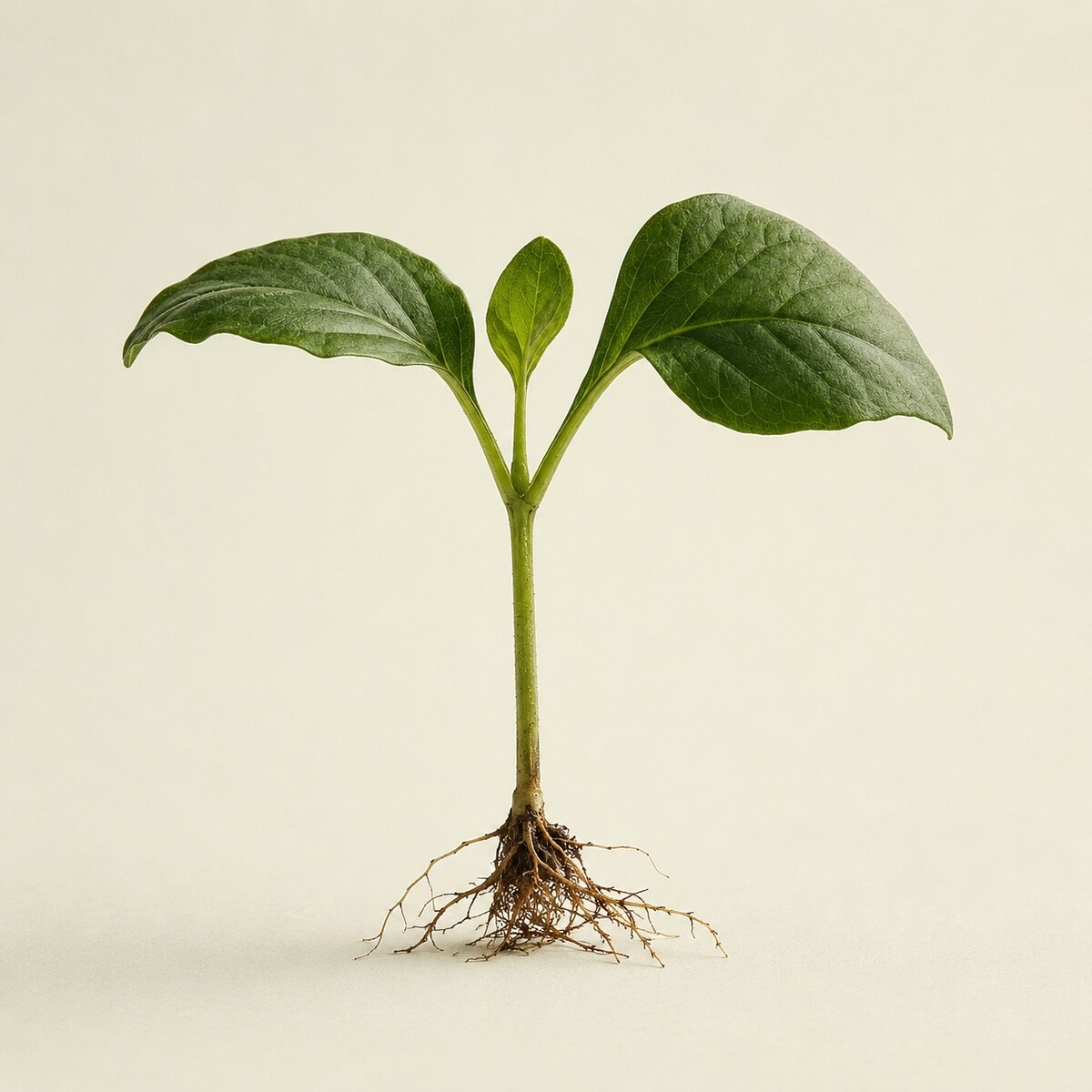
Take a sharp photo of the entire young plant from the side, showing the stem, the first pair of seed leaves, and any true leaves. A plain background and good light make the small details readable.
- 2
Show the Seed Leaves and True Leaves
Get a close-up from above so both the seed leaves (cotyledons) and the newer true leaves are visible. The shape of each and how many there are is the core clue for seedling identification.
- 3
Note the Stem and Height
Record the seedling's height, its stem color, and any hairs. Add whether the seedling was deliberately sown or appeared on its own, since a volunteer may be a crop, a flower, or a weed.
- 4
Say Where It Is Growing
Note whether it is in a seed tray, a vegetable bed, a lawn, or open ground, along with anything you sowed nearby. Context is essential for telling wanted seedlings from weeds.
- 5
Identify the Seedling
Select "Identify seedling" and the tool compares the seed leaves, first true leaves, and growth stage with known young plants, then returns the most likely match with the clues that support it.
Ready to identify it?
Upload one or more clear photos to get started.
Identify Seedlings and Sprouts From a Photo
A seedling identifier names a young plant from a photo, even before it looks anything like its grown-up form. Seedlings are hard to identify precisely because their first leaves are so different from mature foliage, and because so many crops, flowers, and weeds start out looking nearly the same.
This page is built for gardeners watching a seed tray, wondering whether a sprout in the bed is the crop they sowed or a weed, or trying to name a volunteer that appeared on its own. Upload a clear photo of the young plant and the tool reads its seed leaves, first true leaves, and growth stage.
Because seedling identification improves quickly as the plant develops, the best results come from a whole-plant side view, a top-down close-up of the leaves, and a note about what you sowed and where. The more true leaves that have opened, the more confident the match becomes.
Seed Leaves vs. True Leaves
Understanding two kinds of leaves is the heart of seedling identification. Seed leaves, or cotyledons, are the first to emerge and are stored inside the seed itself. They are often simple, rounded, and generic, and their main clue is number: a single seed leaf points toward one broad group of plants, such as grasses and their relatives, while a pair points toward the much larger group of broadleaf plants.
True leaves come next and look like miniature versions of the mature plant's foliage. They carry the shape, edge, vein pattern, and arrangement that actually name the species, which is why identification jumps in accuracy once they appear. Keep older seed leaves in the frame even as they yellow, because they connect the growth stages.
When you photograph a seedling, try to show both leaf types clearly. Pointing out how many seed leaves there are and what the first true leaves look like gives the seedling identifier the two most decisive pieces of evidence at this stage.
Crop Seedlings or Weeds?
The most common reason people reach for a seedling identifier is to answer a single question: is this a plant I want, or a weed? In a freshly sown bed, rows of crop seedlings and scattered weed seedlings come up together, and at the seed-leaf stage they can be almost indistinguishable.
A few habits help. Sow in recognizable rows so anything between them is suspect. Learn the seed leaves of the crops you plant, since those are consistent. And wait for the first true leaves on anything you are unsure about, because that is usually when a carrot separates from a look-alike weed or a squash from a stray vine.
Add context when you upload: what you sowed, when, and where the seedling appeared. A young plant in a container you seeded is likely the crop, while the same seedling in an untended corner is more likely a volunteer or weed. That framing sharpens the identification considerably.
How to Photograph Small Seedlings Well
Seedlings are tiny, so a little care with the camera pays off. Use your phone's close-up or macro mode, brace your hands or rest the camera to avoid blur, and shoot in bright, even light against a plain background such as the soil surface or a sheet of paper behind the plant.
Take two angles: a side view that shows the stem, height, and how the leaves are held, and a top-down view that lays out the seed leaves and true leaves flat. Include a small scale reference, since a five-millimeter seedling and a five-centimeter one can be very different plants.
Keep the plant's base visible. Soil, mulch, and neighboring foliage can hide whether several leaves belong to one stem or to a cluster of separate seedlings. A side view at soil level shows stem color, hairs, thickness, and whether the seed coat remains attached. Do not tug the plant up to expose its roots; identification should not sacrifice a healthy seedling or disturb nearby ones.
Choose natural, diffuse light and avoid watering immediately before the photo. Water droplets magnify small patches and make leaves cling together, while harsh flash can erase fine hairs and turn pale stems white. If the camera focuses on the soil instead of the plant, place a plain card behind the seedling and tap the newest leaf on the screen to set focus.
Document the growing context before moving a pot or tray. Include the row label, cell, bed pattern, or known crop nearby, then take the detailed views. The place where a seedling emerges is evidence: evenly spaced sprouts in a sown row suggest the intended crop, while scattered plants of several ages may be volunteers. Context is useful, but it should support rather than override the leaf and stem traits.
Damage can make one seedling unrepresentative. Slugs remove leaf edges, low light stretches stems, nutrient stress changes color, and seed coats sometimes trap folded cotyledons. Photograph a second healthy example from the same batch when possible and note the problem. Never use spots, missing tissue, or an unusually long stem as the main species clue.
Return after another true-leaf pair opens. Use the same angles and scale so the sequence can be compared easily, and keep the original photos even if the first match changes. The best early identification is sometimes a cautious group-level result followed by a more specific name as stable foliage develops.
If several identical seedlings are up, photograph a healthy, well-formed one rather than a bent or nibbled example. A clear, focused image of a representative seedling, its growing context, and a quick note on growth stage gives the identifier the crisp leaf shapes it needs to judge how far the plant has developed.
Put what you’ve learned to use
Upload your photos and compare the suggested match with the features you observed.
Frequently Asked Questions
How do I identify a seedling?
Identify a seedling from its seed leaves (cotyledons), its first true leaves, and its growth stage. Photograph the whole young plant and a close-up from above showing both leaf types, then the seedling identifier compares the shape and number of leaves with known young plants to suggest the most likely match.
What are seed leaves and why do they matter?
Seed leaves, or cotyledons, are the first leaves a seedling puts out, and they often look nothing like the plant's mature foliage. Their number and shape are a key clue: most flowering plants emerge with either one seed leaf or a pair, which places the seedling in a broad group before the true leaves appear.
Can it tell a crop seedling from a weed seedling?
Often yes, especially once the first true leaves appear. Many crop and weed seedlings look alike at the seed-leaf stage, so add a photo of the newer true leaves and note what you sowed and where. That context helps the seedling identifier separate a wanted crop from a volunteer weed.
How early can a seedling be identified?
Very young seedlings showing only seed leaves can usually be narrowed to a group but not always to a species. Waiting until one or two sets of true leaves have opened greatly improves the identification, because true leaves reveal the shape, edge, and arrangement that name the plant.
Can it identify vegetable and flower seedlings?
Yes. Vegetable seedlings such as tomato, squash, and bean, and flower seedlings started from seed, are common searches when trays lose their labels. Include the seed leaves and first true leaves, and note what you planted, so the identifier can weigh the crops and flowers you are growing.
Should I photograph the seedling from above or the side?
Both help. A side view shows the stem, height, and how the leaves are held, while a top-down view shows the shape and arrangement of the seed leaves and true leaves. Together they give the seedling identifier the fullest picture of a plant that is still very small.
What extra details improve the identification?
Add a photo of the whole specimen, close views of distinctive structures, a scale reference, and notes about location, season, and growing conditions. Keep leaves, flowers, fruit, or other evidence visibly attached to the same specimen so unrelated material is not combined. Use natural light, include more than one angle, and photograph both typical and unusual features. Independent clues from overall form, fine detail, size, and context make it easier to compare candidates and reject a visually similar match.
Why might the result name only a group or genus?
Some species need flowers, fruit, mature growth, microscopic traits, or provenance that the current photo set may not show. Young, cultivated, or damaged specimens can also lack the structures that separate close relatives. A broader group or genus result is more accurate than an exact species name unsupported by visible evidence. Save the photos, compare every listed trait, and add new seasonal features later if a species-level name matters. One conflicting structural feature is a reason to keep investigating.
Is the seedling identifier free?
Yes. You can identify seedlings for free with a generous daily allowance and no sign-up. It runs in your browser on a phone, tablet, or computer, so there is no app to download.
Does identifying a seedling confirm it is safe to eat or transplant?
No. A photo match is not an edibility or handling clearance, and young seedlings are especially easy to confuse. Never eat a seedling or sprout based only on an AI result, keep unknown plants away from children and pets, and confirm with a qualified local expert before relying on the identification.
Ready to give it a try?
Upload your photos for an AI-assisted best match.