Seed Identifier
Identify seeds and seed pods from a photo, free and fast
Identification form
Upload seed photos
Clear, well-lit images help the AI identify it more accurately.
How to Identify a Seed From a Photo
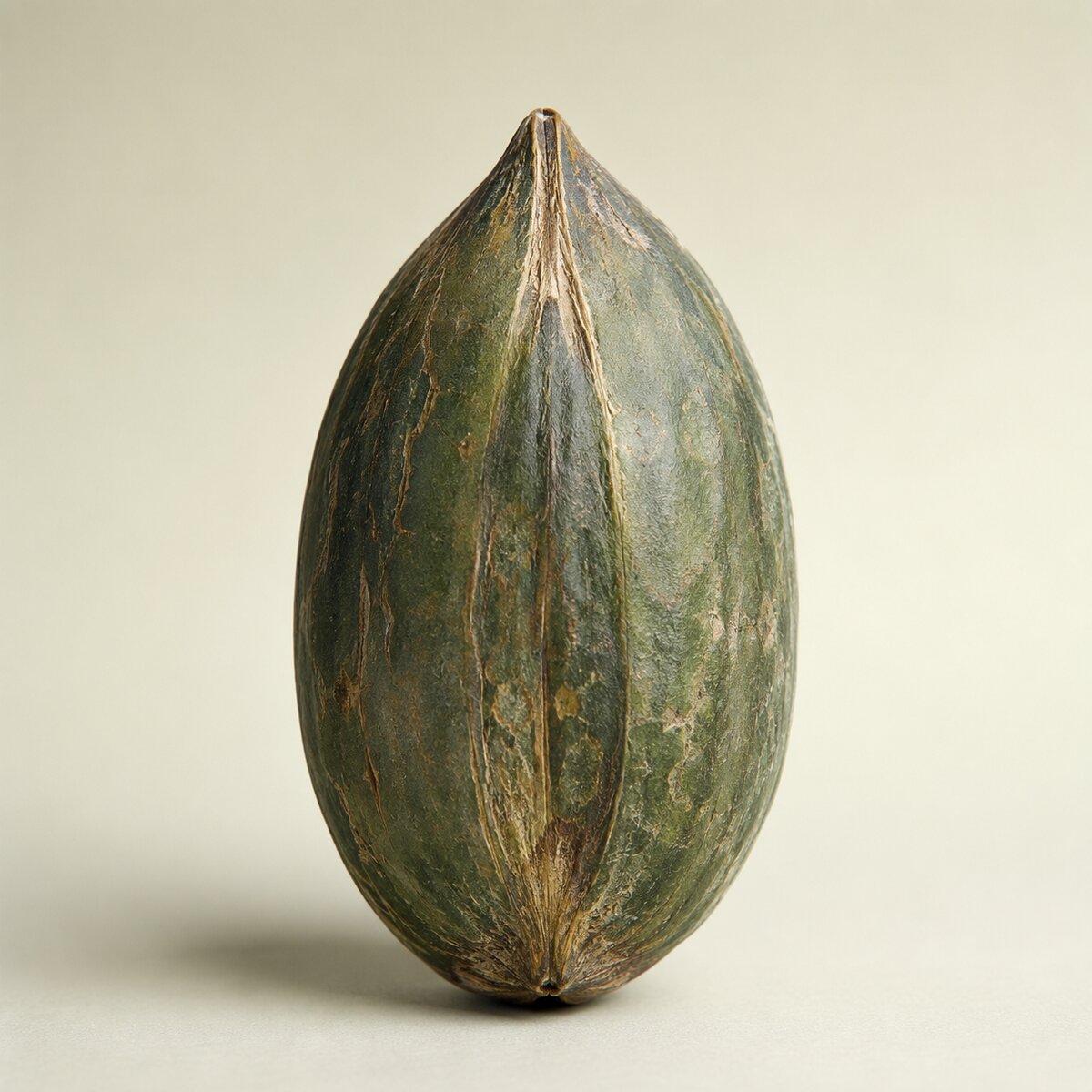
- 1
Photograph the Seed Next to a Ruler
Place the seed on a plain background beside a ruler or coin and photograph it sharply from above. Exact size is one of the most important clues for seed identification, so scale is essential.
- 2
Show the Surface Detail
Move in close so the seed's shape, color, and surface are clear. Note whether it is smooth, ridged, pitted, glossy, or hairy, and whether it has a wing, tuft, or hook for dispersal.
- 3
Include the Pod, Husk, or Fruit
If the seed came from a pod, capsule, cone, or fruit, photograph that too. The structure that holds the seeds is often more distinctive than the seeds themselves.
- 4
Add Where It Came From
Note whether you saved it from a garden plant, collected it from a tree, or found it in the wild, along with the location. Context narrows whether it is likely a flower, vegetable, tree, or weed seed.
- 5
Identify the Seed
Select "Identify seed" and the tool compares size, shape, color, and surface with known seeds and pods, then returns the most likely match with the clues that support it.
Ready to identify it?
Upload one or more clear photos to get started.
Identify Seeds and Pods From a Photo
A seed identifier names a seed or seed pod from a photo of its size, shape, and surface. Loose seeds are one of the trickier things to identify because they are small, similar, and stripped of the leaves and flowers that usually give a plant away. The right photo, with a clear scale, makes it possible.
This page helps gardeners with unlabeled saved seeds, collectors sorting a seed swap, and anyone curious about a pod, nut, or winged seed found on the ground. Upload a sharp, well-lit photo of the seed beside a ruler, and the tool reads the features that distinguish one seed from another.
Because seed identification depends heavily on exact size and fine surface detail, the strongest results come from a scaled photo of the seed, a close-up of its surface, and, when available, the pod or fruit it came from. A quick note about where the seed came from narrows the field further.
Size, Shape, Color, and Surface
Four features carry most of the weight in seed identification. Size is first and most important, because seeds that look identical in a photo can be told apart by a millimeter or two, which is why a ruler or coin belongs in every shot. Measure length, width, and thickness when practical. Shape follows: round, oval, kidney-shaped, flat and disk-like, teardrop, or angular.
Color and pattern add detail, from solid tan and black to speckled, mottled, or striped seed coats. Surface texture completes the picture, whether the seed is smooth and glossy, ridged, pitted, netted, or covered in fine hairs. Photograph several seeds to show which markings repeat across the batch.
Many seeds also carry a dispersal feature that gives them away instantly: a papery wing that spins, a silky tuft that floats, a hook that catches on fur, or a hard shell. Capturing these alongside the seed's basic dimensions gives the identifier a strong, specific set of clues.
The Pod Often Names the Seed
When a seed comes from a pod, capsule, cone, or fruit, that container is frequently the best clue of all. A seed pod varies in ways that are highly specific: a long bean-like pod, a papery lantern, a bristly capsule, a woody cone, or a fleshy fruit each point to particular plant families.
How the pod opens matters too. Some split neatly down two seams, some pop explosively, some release seeds through tiny pores, and some never open at all. The arrangement of seeds inside, in a single row, a spiral, or a packed cluster, adds even more. Include the stalk, persistent sepals, cap, husk, or cone scale when those parts remain attached.
So whenever you have the pod, photograph it with the seeds. A handful of loose brown seeds might match dozens of plants, but the same seeds shown inside their distinctive pod often narrow immediately to one. Include both the intact pod and an open one if you have them.
Flower, Tree, and Vegetable Seeds
Knowing roughly where a seed came from steers the identification. Flower seeds saved from the garden are a common case, especially once packets are lost; they range from the flat black disks of sunflowers to the tiny dust-like seeds of poppies. Vegetable seeds are widely searched for the same reason, and many, like beans, squash, and tomato seeds, have familiar shapes.
Tree seeds are their own category, including winged maple samaras, acorns, ash keys, pine seeds shaken from cones, and an array of nuts. Their wings, caps, and cones are strong identifying features. Wild and weed seeds often carry burrs, hooks, or parachutes built for dispersal.
Photograph a representative group rather than selecting only the largest or brightest seed. Natural batches vary, and seeing repeated size, shape, and pattern helps separate a true trait from damage or debris. Keep the seeds dry and still, use diffuse light, and focus on a plane where the ruler marks and seed surface are both readable. Take an overhead view for outline and a lower angle for thickness.
Provenance can be stronger than appearance. A sealed commercial packet, a labeled seed swap envelope, or a pod photographed on a known plant supplies evidence that should stay with the photos. If labels were mixed, document each batch separately instead of combining similar brown seeds. For found material, show the ground beneath the likely source and seeds or fruit still attached above it, since wind and animals can move loose specimens.
Germination may reveal useful evidence, but it should not be used casually with unknown material. Some seeds produce toxic seedlings, some invasive plants are regulated, and soil from an unidentified batch may carry pests. Check local rules and obtain an expert identification before sowing anything collected outdoors. If a known garden seed is already germinating, photograph the seed coat, seed leaves, and first true leaves together to connect the stages.
Seed viability is a separate question from identity. A correctly named seed may be immature, dormant, damaged, or too old to sprout, and a photograph cannot confirm internal health. Likewise, a seed sold for planting is not necessarily food-grade, because it may have been treated with products unsuitable for consumption. Keep identification, germination, and edibility decisions separate.
Add whatever context you have, whether the seed was saved, foraged, purchased, or found, and where. That note tells the seed identifier which of these worlds to search first, making the match faster and more reliable. Remember that a name is not a green light to plant, handle carelessly, or eat an unknown seed. Keep the date and source with the photographs for later review.
Put what you’ve learned to use
Upload your photos and compare the suggested match with the features you observed.
Frequently Asked Questions
How do I identify a seed?
Identify a seed by its exact size, shape, color, and surface texture, plus any pod or fruit it came from. Photograph the seed next to a ruler on a plain background, add a close-up of its surface, and note where it came from. The seed identifier reads these clues to suggest the most likely plant.
Why does size matter so much for seed identification?
Many seeds share a similar shape and color but differ in size by millimeters, and that difference often separates species. Always photograph a seed beside a ruler, coin, or other known object, because a seed identified without scale can be confused with a much larger or smaller lookalike.
Can it identify seeds from a seed pod?
Yes, and the pod itself is a strong clue. Photograph both the seeds and the pod, capsule, or husk they came from. The shape of the pod, how it splits open, and how the seeds are arranged inside are often more distinctive than the individual seeds.
Can it identify flower and vegetable seeds?
Yes. Garden flower seeds and vegetable seeds are common searches, especially when saved seeds have lost their labels. Include a size reference and note that the seeds were saved from a garden, so the identifier can weigh cultivated flowers and vegetables among the possibilities.
Can it identify tree seeds and nuts?
Yes. Tree seeds such as winged maple samaras, acorns, pine seeds from cones, and various nuts have recognizable shapes. Photograph the seed and any wing, cap, or cone it came with, and note the tree or location if you know it, to help pin down the species.
How should I photograph tiny seeds?
Spread a few seeds on a plain, contrasting background in even light, place a ruler alongside for scale, and use your camera's close-up or macro mode. A small group of seeds shows the range of shape and size better than a single seed, and keeping them in focus is more useful than filling the frame.
What extra details improve the identification?
Add a photo of the whole specimen, close views of distinctive structures, a scale reference, and notes about location, season, and growing conditions. Keep leaves, flowers, fruit, or other evidence visibly attached to the same specimen so unrelated material is not combined. Use natural light, include more than one angle, and photograph both typical and unusual features. Independent clues from overall form, fine detail, size, and context make it easier to compare candidates and reject a visually similar match.
Why might the result name only a group or genus?
Some species need flowers, fruit, mature growth, microscopic traits, or provenance that the current photo set may not show. Young, cultivated, or damaged specimens can also lack the structures that separate close relatives. A broader group or genus result is more accurate than an exact species name unsupported by visible evidence. Save the photos, compare every listed trait, and add new seasonal features later if a species-level name matters. One conflicting structural feature is a reason to keep investigating.
Is the seed identifier free?
Yes. You can identify seeds for free with a generous daily allowance and no sign-up. It runs in your browser on a phone, tablet, or computer, so there is no app to download.
Does identifying a seed mean it is safe to plant, handle, or eat?
No. A photo match is not a safety, edibility, or planting clearance. Some seeds are toxic, and some plants are invasive or restricted where you live. Never eat an unknown seed based on an AI result, keep seeds away from children and pets, and check local rules and a qualified expert before planting.
Ready to give it a try?
Upload your photos for an AI-assisted best match.