Herb Identifier
Identify culinary and garden herbs from a photo of the leaves
Identification form
Upload herb photos
Clear, well-lit images help the AI identify it more accurately.
How to Identify an Herb From a Photo
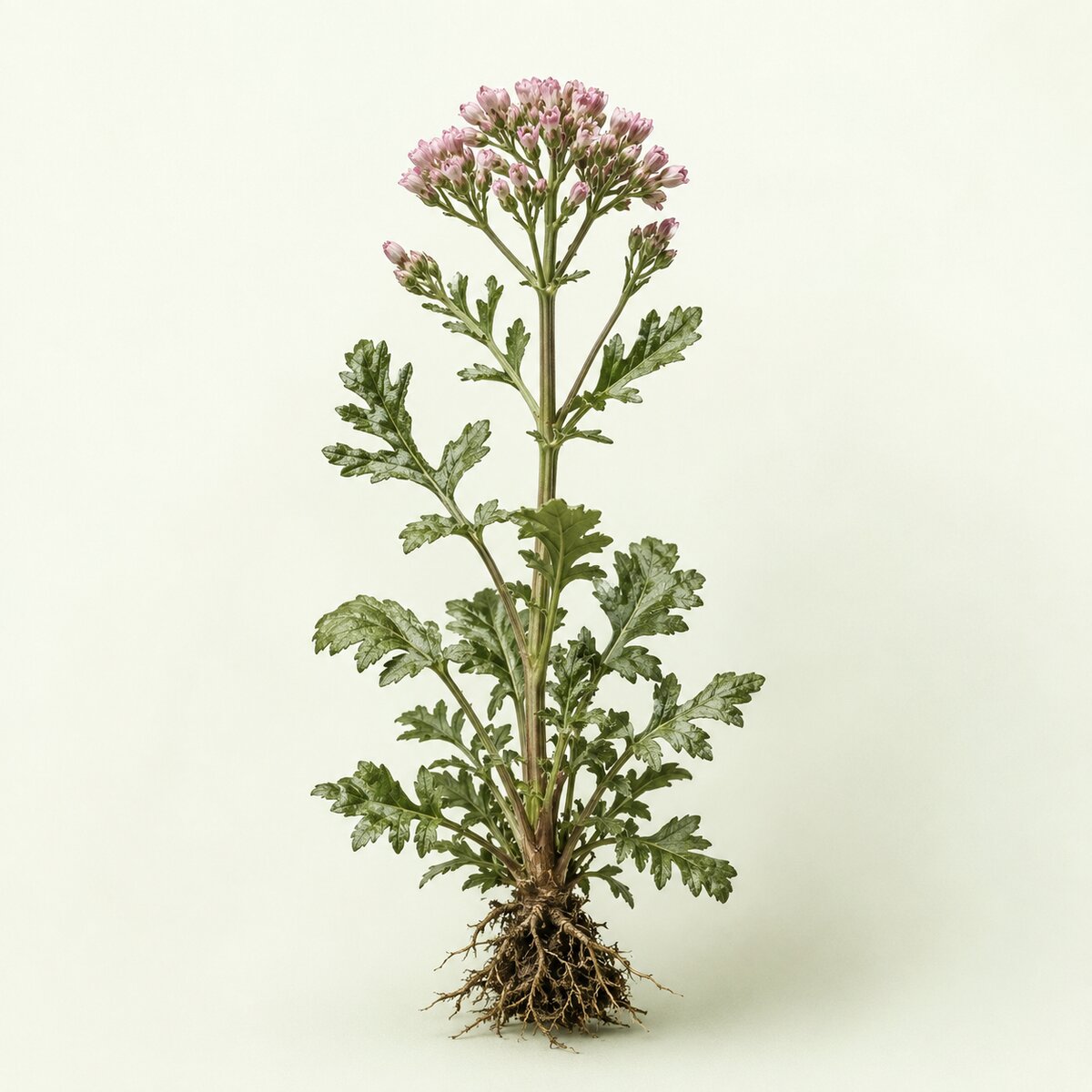
- 1
Photograph the Leaves Up Close
Take a sharp close-up of the leaves showing their shape, edge, and surface, and a wider shot of the whole plant. Leaf detail is the primary clue for herb identification.
- 2
Show How Leaves Sit on the Stem
Include a photo of the stem and how the leaves attach. Many culinary herbs are in the mint family and have square stems with paired opposite leaves, which is a helpful signal.
- 3
Note the Aroma
Gently rub a leaf and describe the scent in your notes, such as minty, lemony, sweet, or resinous. Aroma cannot be photographed but is one of the strongest clues for identifying an herb.
- 4
Add Flowers, Height, and Setting
Photograph any flowers, and note the plant's height and whether it grows in a pot, a garden bed, or the wild. Season and setting help separate similar-looking herbs.
- 5
Identify the Herb
Select "Identify herb" and the tool compares leaf shape, arrangement, and your aroma and setting notes with known herbs, then returns the most likely match with the clues that support it.
Ready to identify it?
Upload one or more clear photos to get started.
Identify Herbs From a Photo
An herb identifier names a culinary or garden herb from a photo of its leaves and plant. Herbs are grown for flavor and fragrance, and while many have unmistakable scents, their leaves can look confusingly similar, so a careful identification helps whether you are labeling a windowsill pot or sorting an overgrown herb bed.
This page is made for cooks, gardeners, and anyone who has an unlabeled herb and wants to know what it is. Upload a close-up of the leaves and a shot of the whole plant, and the tool reads the leaf shape, arrangement, stem, and flowers that distinguish one herb from another. Because aroma is so important for herbs, you can add a scent note that no photo can capture.
For the strongest herb identification, combine a sharp leaf photo, a view of how the leaves sit on the stem, any flowers, and a description of the smell. A note on whether the herb grows in a pot, a bed, or the wild rounds out the picture.
Leaves, Stems, and Aroma
Herb identification rests on a few reliable features. Leaves come first: their shape, edge, size, surface, and whether they are smooth, hairy, or glossy. Basil's broad glossy leaves, rosemary's needle-like foliage, and parsley's divided leaves are all distinctive.
The stem and arrangement add a strong structural clue. A great many culinary herbs belong to the mint family, which characteristically has square stems and leaves arranged in opposite pairs. Feeling a square stem and seeing paired leaves quickly points toward mint, basil, oregano, thyme, sage, or rosemary. Show several consecutive nodes so the arrangement is unmistakable rather than inferred from one leaf pair.
Aroma is the feature a camera misses and one of the most decisive of all. Two herbs with almost identical leaves can smell entirely different, so gently rub a leaf and note whether the scent is minty, lemony, sweet, peppery, or resinous. Describing the smell alongside your photos gives the herb identifier a clue it could never get from the image alone.
Common Culinary Herbs You Can Identify
Most herb searches involve the familiar kitchen herbs, and each has recognizable traits. Basil has broad, glossy, aromatic leaves on a square stem. Mint spreads vigorously with toothed leaves and a cool scent. Rosemary carries stiff, needle-like leaves and a piney aroma, while thyme forms wiry stems with tiny leaves.
Oregano and marjoram look alike and are best told apart by scent, sage has soft grey-green leaves, and parsley and cilantro both have divided leaves but very different aromas. Woody herbs like rosemary, thyme, and sage differ from soft-stemmed herbs like basil, parsley, and cilantro, and that distinction helps too. Chives and dill add still different leaf forms, so show whether foliage is hollow, threadlike, flat, or deeply divided.
Because several of these are close relatives with similar foliage, the aroma note and a clear view of the leaf and stem usually decide the match. Capture a healthy shoot, describe the smell, and the herb identifier can separate herbs that photos alone would leave ambiguous.
Identify Herbs Safely
An herb identifier tells you what a plant most likely is; it does not tell you that a plant is safe to eat, brew, or use. This matters especially with herbs, because some toxic plants closely resemble common culinary and wild herbs, and a confident-looking match is not a guarantee.
With cultivated herbs from a labeled nursery or your own garden, identification is mostly a convenience. With wild or foraged plants, the stakes are higher: several dangerous species mimic edible herbs, and misidentification can cause serious harm. Photograph wild plants in place, treat the result as informational, and do not taste anything to test it.
Build confidence by checking traits that do not depend on smell alone. Compare leaf arrangement, the presence of a sheath or petiole, stem cross-section, hairs, flower shape, and the way flower clusters branch. Record whether the plant is woody at the base, spreads by runners, forms a rosette, or rises from a bulb. A familiar aroma is useful evidence, but different plants can share citrus, anise, mint, or garlic-like notes, and scent descriptions vary from person to person.
Growth stage and cultivation can alter appearance. A crowded pot may produce small pale leaves, a flowering herb may send up narrow foliage, and a cut-back perennial may return as soft shoots unlike its older stems. Photograph healthy typical growth as well as the unusual part, and note pruning, frost, drought, or indoor conditions. Comparing stable structural features prevents stress or age from becoming the basis of the name.
For wild plants, preserve the evidence and the habitat. Capture the whole plant without uprooting it, then photograph leaves at the base and along the stem, any hairs or spots, and flowers or fruit. Include nearby soil and vegetation in a wider frame and record the region. Avoid rubbing or smelling a plant when contact itself may be unsafe; the aroma field is optional, and clear exterior photos should come first.
A plausible result deserves an independent check. Compare it with a regional flora or extension resource and verify every listed diagnostic trait, not just the most appealing resemblance. If the plant lacks a feature the candidate should always have, leave the identification unresolved and collect better evidence when it flowers.
Use the identification to learn and narrow down, then take any culinary or medicinal decision to a qualified local expert who can examine the plant in person. Keep unknown plants away from children and pets, and let a human authority, not a photo match, decide whether an herb belongs in your kitchen.
Put what you’ve learned to use
Upload your photos and compare the suggested match with the features you observed.
Frequently Asked Questions
How do I identify an herb?
Identify an herb from its leaf shape and arrangement, its stem, its aroma, and any flowers. Photograph the leaves up close and the whole plant, rub a leaf and note the scent, and the herb identifier compares these clues with known culinary and garden herbs to suggest the most likely match.
Can it identify common cooking herbs?
Yes. Culinary herbs such as basil, mint, rosemary, thyme, oregano, parsley, cilantro, and sage are common searches. Show the leaf shape and how the leaves sit on the stem, and add the aroma, since scent often distinguishes herbs that look similar, such as oregano and marjoram.
Why is the smell so important for herb identification?
Aroma is one of the most reliable clues for herbs because many are grown precisely for their scent, and closely related herbs with near-identical leaves can smell completely different. A photo cannot capture smell, so rubbing a leaf and describing the scent, such as lemony, minty, or piney, gives the identifier information the image alone cannot.
How can I tell mint-family herbs apart?
Many kitchen herbs belong to the mint family and share square stems and opposite, paired leaves. Within that family, leaf shape, texture, flower form, and aroma separate mint, basil, oregano, thyme, sage, and rosemary. Photograph the square stem and paired leaves, then use scent to narrow which mint-family herb it is.
Can it identify wild herbs and foraged plants?
It can suggest a likely match, but wild herbs include many that closely resemble toxic plants, and a photo identification is never proof that a wild plant is safe. Photograph the plant in place, treat the result as informational only, and never eat a wild plant based on an app.
What extra details improve the identification?
Add a photo of the whole specimen, close views of distinctive structures, a scale reference, and notes about location, season, and growing conditions. Keep leaves, flowers, fruit, or other evidence visibly attached to the same specimen so unrelated material is not combined. Use natural light, include more than one angle, and photograph both typical and unusual features. Independent clues from overall form, fine detail, size, and context make it easier to compare candidates and reject a visually similar match.
Why might the result name only a group or genus?
Some species need flowers, fruit, mature growth, microscopic traits, or provenance that the current photo set may not show. Young, cultivated, or damaged specimens can also lack the structures that separate close relatives. A broader group or genus result is more accurate than an exact species name unsupported by visible evidence. Save the photos, compare every listed trait, and add new seasonal features later if a species-level name matters. One conflicting structural feature is a reason to keep investigating.
Can a stressed, young, or damaged specimen be identified?
Often. Include healthy, typical growth whenever possible and explain what changed. Photograph damaged and unaffected parts together, record approximate size, and note recent weather, light, water, pruning, repotting, mowing, or other disturbance. Identification should rely on stable shape and arrangement rather than temporary color, missing tissue, stretched growth, or decay. If the decisive structures have not developed, preserve the current photos and add another set later instead of forcing a precise name from incomplete evidence.
Is the herb identifier free?
Yes. You can identify herbs for free with a generous daily allowance and no sign-up. It works in your browser on a phone, tablet, or computer, so there is no app to download.
Does identifying an herb mean it is safe to eat or use?
No. A photo match is not an edibility, culinary, or medicinal clearance. Some plants closely resemble edible herbs but are toxic, and misidentification can be dangerous. Never eat, brew, or apply a plant based only on an AI result, and consult a qualified local expert before any culinary or medicinal use.
Ready to give it a try?
Upload your photos for an AI-assisted best match.