Cactus Identifier
Identify a cactus from a photo of its stem, ribs, and spines
Identification form
Upload cactus photos
Clear, well-lit images help the AI identify it more accurately.
How to Identify a Cactus From a Photo
- 1
Photograph the Whole Cactus
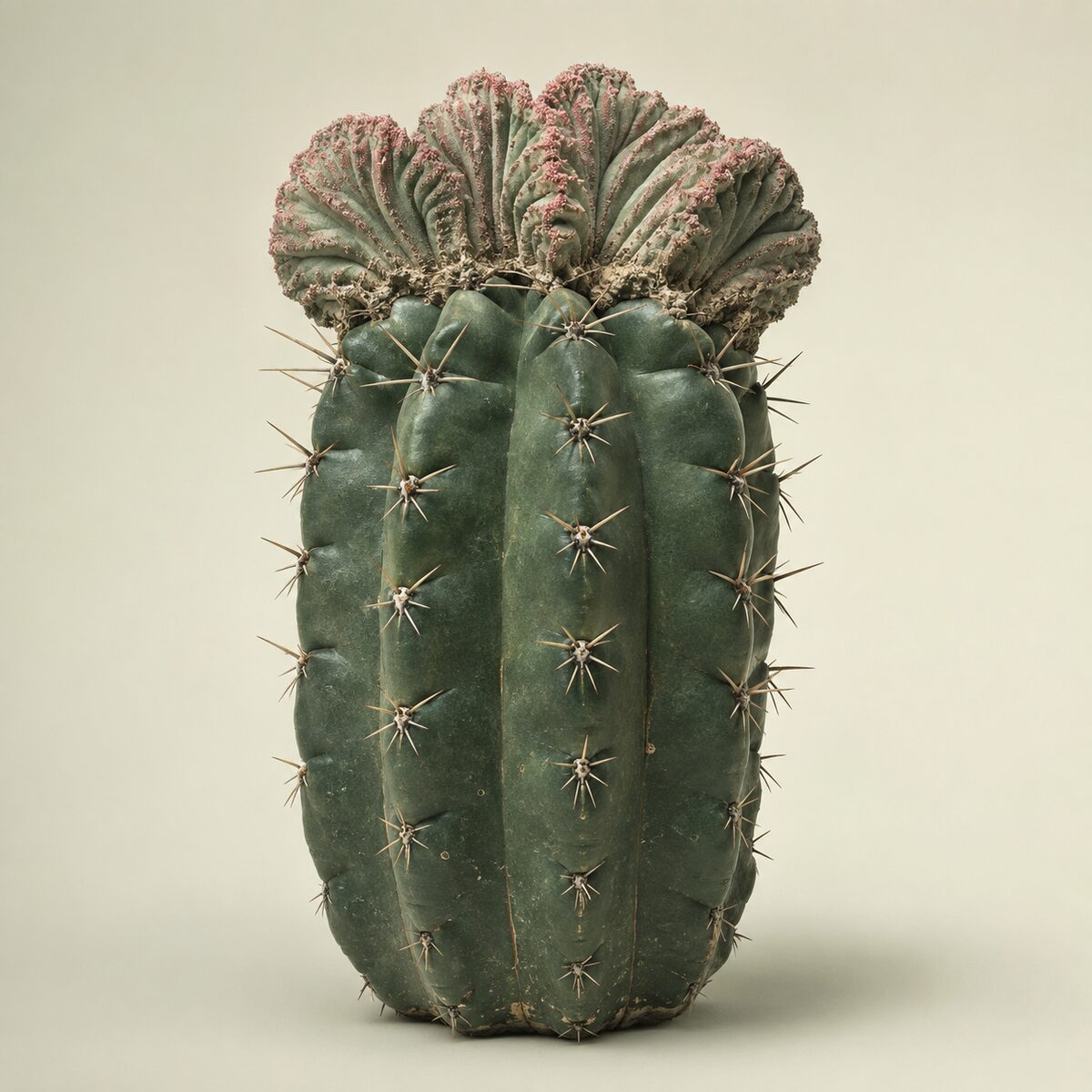
Take a sharp photo of the entire plant so its overall shape is clear: globular and round, tall and columnar, branching, or made of flat pads or segments. Stem shape is the foundation of cactus identification.
- 2
Close In on the Ribs and Areoles
Move in on the surface to show the ribs or tubercles and the areoles, the small cushions from which spines grow. The spacing and detail of areoles are among the most reliable cactus features.
- 3
Show the Spines
Capture the spines clearly: their length, color, number per areole, and whether they are straight, hooked, or hair-like. Include any fine, barbed glochids, which appear on prickly pears and their relatives.
- 4
Add Flowers and Growing Conditions
Photograph any flowers or buds, and note whether the cactus grows indoors or outdoors, how much light it gets, and its size. Flowers are highly diagnostic and context guides the match.
- 5
Identify the Cactus
Select "Identify cactus" and the tool compares stem shape, ribs, areoles, and spines with known cacti, then returns the most likely match with the clues that support it.
Ready to identify it?
Upload one or more clear photos to get started.
Identify Your Cactus From a Photo
A cactus identifier names a cactus from a photo of its stem, ribs, and spines. Cacti are a large and distinctive family, from tiny windowsill globes to towering columns and flat-padded prickly pears, and identifying the exact species is the key to giving it the right light, water, and dormancy.
This page is made for houseplant owners, desert-garden growers, and anyone who has been handed a spiny plant with no name. Upload a photo of the whole cactus and a close-up of its surface, and the tool reads the stem shape, ribs, areoles, and spines that set one cactus apart from another.
Because cactus identification depends on fine surface detail, the strongest results come from a full-plant photo plus a sharp close-up of the ribs, areoles, and spines, along with any flower. A note about whether the cactus grows indoors or outdoors and how much light it receives helps the identifier judge which species are likely.
Stem Shape, Ribs, and Areoles
Cactus identification starts with the overall stem shape. Cacti may be globular and ball-like, cylindrical or columnar, branching like a candelabra, or built from flat pads or hanging segments. This basic form immediately separates the major groups.
Next come the ribs and tubercles, the vertical ridges or knobby bumps that run along the stem. Counting the ribs and noting whether they are sharp, wavy, or broken into tubercles narrows the field considerably. Photograph the growing point as well, because fresh wool, bristles, and the way new tubercles form may be clearer there than on weathered lower growth.
The most cactus-specific feature is the areole, the small cushion from which spines, flowers, and offsets emerge. Areoles are found only on cacti, so they both confirm that a plant is a true cactus and provide precise clues in their size, spacing, and woolliness. A close-up that shows the ribs and areoles clearly gives the identifier the detail it relies on most.
Reading Cactus Spines and Flowers
Spines are a rich source of identification clues. Note their length, color, and number per areole, and whether they are straight, curved, hooked, or fine and hair-like. Some cacti have a central spine surrounded by a ring of smaller radial spines, and that pattern is often characteristic. Compare mature spines lower on the plant with new spines near the top, since age and sun exposure can alter their color.
Prickly pears and their relatives add glochids, tiny barbed bristles clustered at each areole that detach at the lightest touch. Their presence is a strong clue and also a warning, since glochids are difficult to remove from skin.
Flowers, when present, are highly diagnostic. Their color, size, shape, and where they emerge on the stem can confirm a species that spines alone leave ambiguous. Because many cacti bloom only for a day or two, capture any flower or bud while it lasts, and photograph it alongside the stem so the identifier can connect the bloom to the plant.
Cactus Groups People Commonly Identify
A few cactus groups account for most searches. Prickly pears (Opuntia) have flat, paddle-shaped pads, spines, and glochids, and produce colorful fruit. Barrel cacti are round to cylindrical with heavy ribs and stout, sometimes hooked spines. Columnar cacti such as the classic saguaro-style forms grow tall and ribbed.
Smaller favorites include mammillaria, which bear spines on nipple-like tubercles and often ring themselves with flowers, and globular cacti grown widely as houseplants. Set apart from all of these are the forest cacti like Christmas and Easter cactus, which have flat, spineless, segmented stems and bloom in season.
Other forms reward a closer look. Epiphytic fishbone and orchid cacti grow flattened or angular hanging stems rather than desert-style columns. Chollas divide into cylindrical joints armed with papery sheaths, while many small rebutias and gymnocalyciums stay solitary or form low clusters. Grafted novelty cacti may combine a brightly colored upper cactus with a different green rootstock, so photograph both parts and the graft line instead of treating the plant as one natural form.
Size and growth pattern help separate a young specimen from a naturally miniature species. Measure the stem diameter and height, note whether offsets rise from the base or higher on the stem, and show the pot for scale. A nursery cactus may also carry glued flowers, decorative paint, or artificial spines; genuine buds emerge from areoles and usually show a gradual connection to living tissue. Removing decorations is not necessary for a photo, but identifying them prevents misleading evidence.
Geographic and cultivation context provide the final filter. A cactus photographed in habitat can be compared with species native to that region, while a supermarket houseplant may belong to a small group traded worldwide. Record whether it grows in open desert, grassland, woodland, or a hanging pot, but never disturb a wild plant for a better angle. Many native cacti are protected, slow-growing, and vulnerable to collection.
A likely match should agree at more than one scale. Compare the plant's overall architecture, its rib or tubercle pattern, the anatomy of individual areoles, and the mature spine arrangement. Then check flower position, fruit, or seed when those appear. If one level conflicts strongly, keep the result at a broader group until better evidence is available. Save the photographs for comparison when the cactus next flowers.
Knowing the group is the first step to care, since a desert barrel cactus and a forest Christmas cactus want almost opposite conditions. Use the identification as a starting point, compare it with several mature reference specimens, match watering and light to the plant's real needs, and handle every spiny cactus with care. Record the date as well.
Put what you’ve learned to use
Upload your photos and compare the suggested match with the features you observed.
Frequently Asked Questions
How do I identify a cactus?
Identify a cactus from its stem shape, its ribs or tubercles, its areoles, and its spines, plus any flowers. Photograph the whole plant and a close-up of the surface, then the cactus identifier reads whether the cactus is globular, columnar, or made of pads, and how its spines and areoles are arranged, to suggest the most likely species.
What are areoles and why do they matter?
Areoles are the small round cushions on a cactus from which spines, flowers, and new branches grow. They are unique to cacti and separate a true cactus from other spiny succulents. The size, spacing, and hairiness of the areoles, and how many spines rise from each, are among the most dependable identification clues.
Can it identify a Christmas cactus?
Yes. A Christmas cactus (Schlumbergera) is a forest cactus with flat, segmented, spineless stems and colorful winter flowers, very different from desert cacti. Photograph the flat segments and any flower, and note that it grows as a houseplant, so the identifier can distinguish it from similar holiday cacti.
Can it identify prickly pear and barrel cacti?
Yes. Prickly pear (Opuntia) has flat, paddle-shaped pads with spines and tufts of fine barbed glochids, while barrel cacti are round to cylindrical with prominent ribs and stout spines. Show the pad or barrel shape and the spine detail so the cactus identifier can tell these common groups apart.
How is a cactus different from other succulents?
Cacti are a family of succulents defined by areoles, the spine-bearing cushions on their stems. Many other succulents have spines or thick leaves but lack areoles. If your plant grows spines from small round cushions on the stem, it is likely a cactus; if not, the succulent identifier is the better tool.
Do I need flowers to identify a cactus?
No, but they help. Stem shape, ribs, areoles, and spines are enough to narrow most cacti, and flowers add strong confirmation when present. Since many cacti bloom only briefly, photograph any flower or bud while you can, and add a note about the growing conditions.
What extra details improve the identification?
Add a photo of the whole specimen, close views of distinctive structures, a scale reference, and notes about location, season, and growing conditions. Keep leaves, flowers, fruit, or other evidence visibly attached to the same specimen so unrelated material is not combined. Use natural light, include more than one angle, and photograph both typical and unusual features. Independent clues from overall form, fine detail, size, and context make it easier to compare candidates and reject a visually similar match.
Why might the result name only a group or genus?
Some species need flowers, fruit, mature growth, microscopic traits, or provenance that the current photo set may not show. Young, cultivated, or damaged specimens can also lack the structures that separate close relatives. A broader group or genus result is more accurate than an exact species name unsupported by visible evidence. Save the photos, compare every listed trait, and add new seasonal features later if a species-level name matters. One conflicting structural feature is a reason to keep investigating.
Is the cactus identifier free?
Yes. You can identify cacti for free with a generous daily allowance and no sign-up. It works in your browser on a phone, tablet, or computer, so there is no app to download.
Does identifying a cactus confirm it is safe to handle or eat?
No. A photo match is not a safety or edibility clearance. Cactus spines and fine glochids can cause painful skin injuries, and some cactus fruit and tissue should not be eaten. Handle unknown cacti with care and thick gloves, and consult a qualified local expert before any use.
Ready to give it a try?
Upload your photos for an AI-assisted best match.